


By using these filters, you can easily view the photos in the gallery.
- All
- uP to 2500
- 2500/3500
- 3500/4500
- 4500+
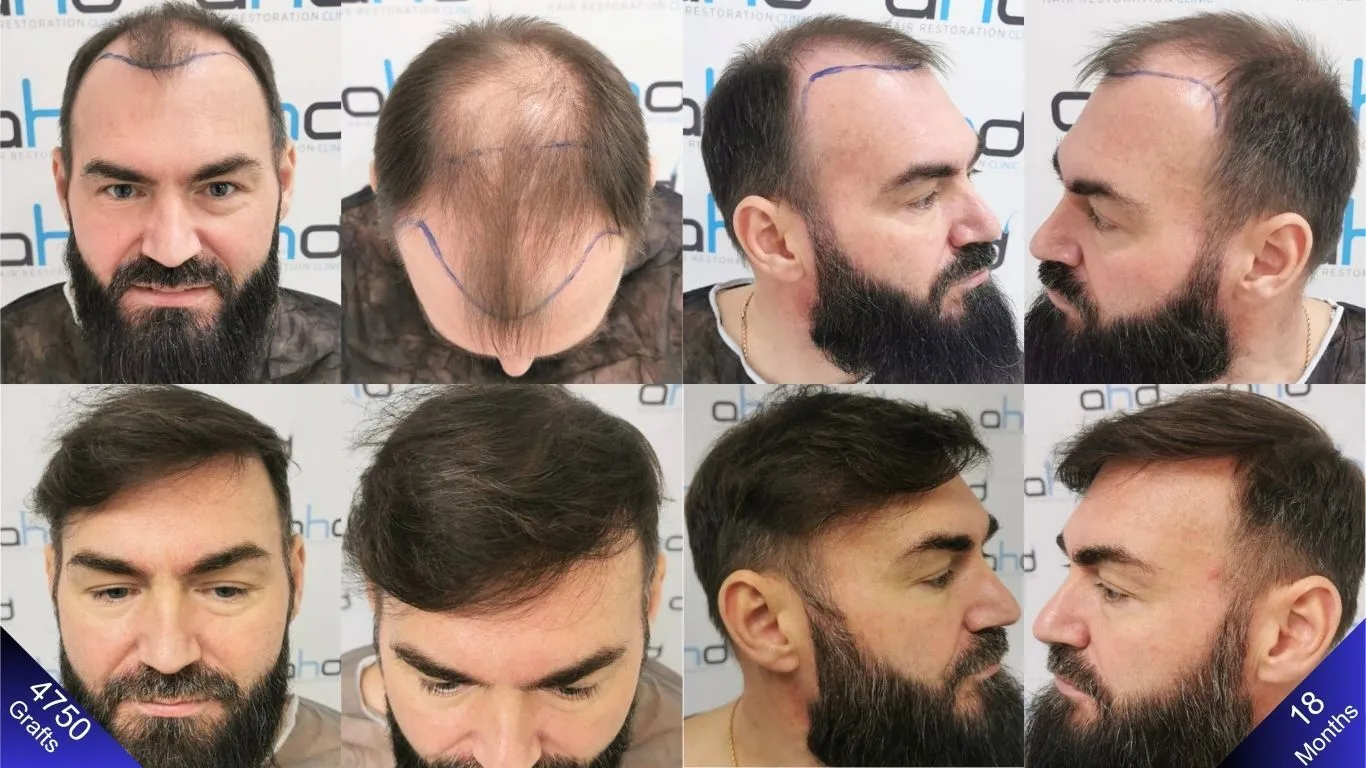
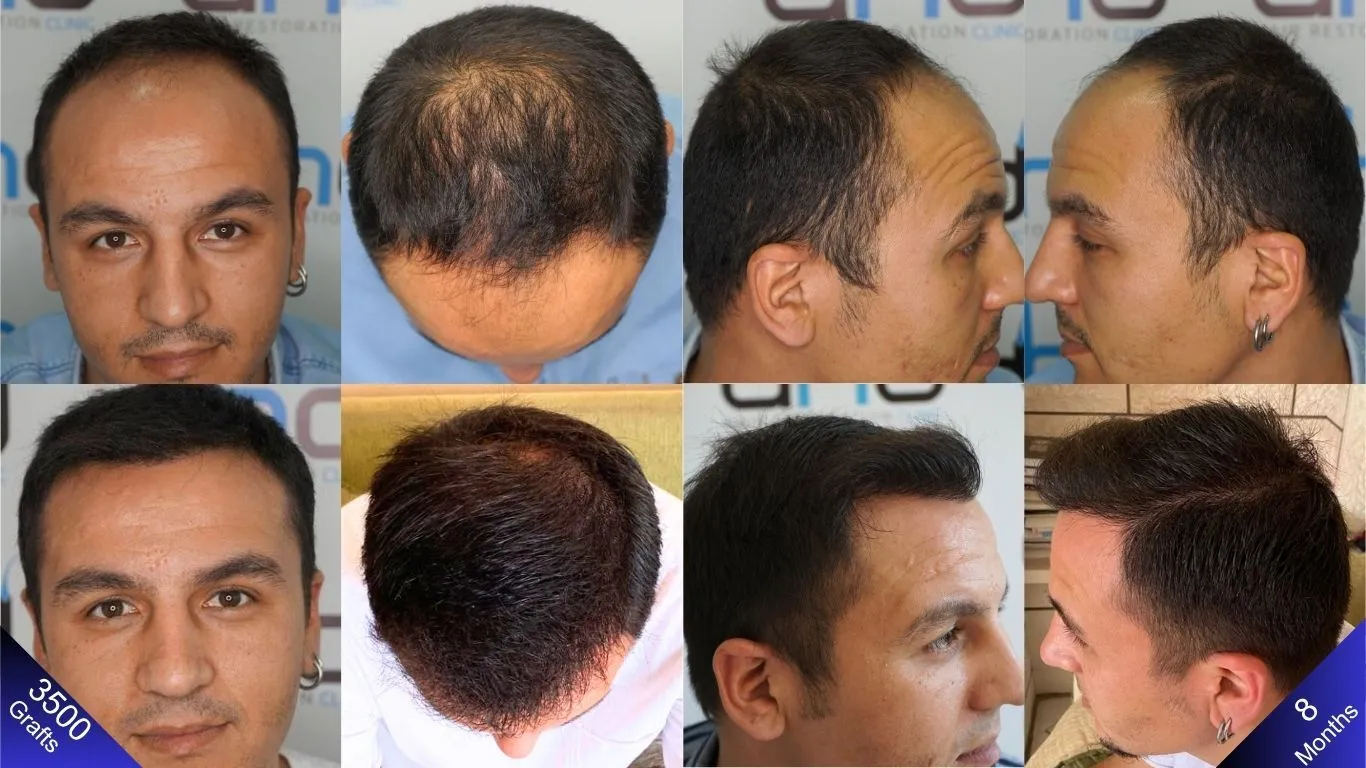
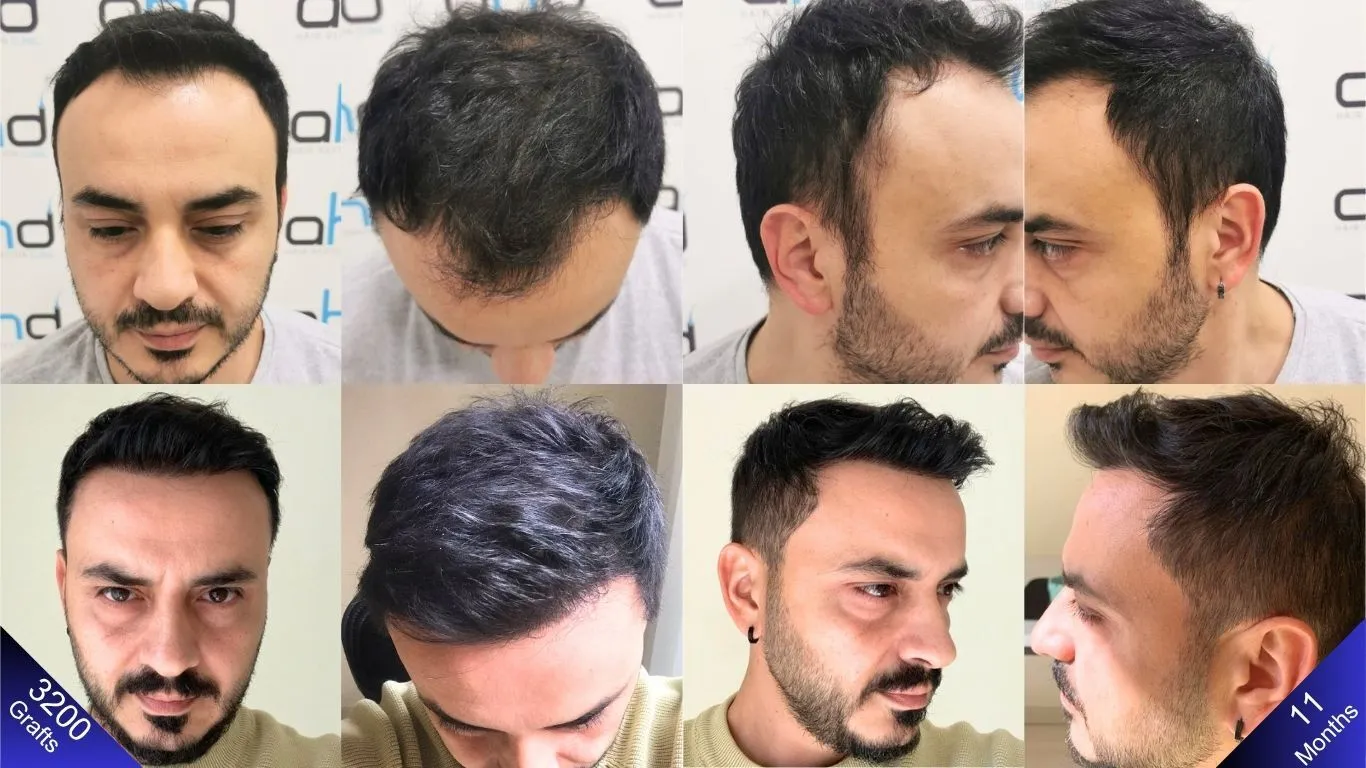
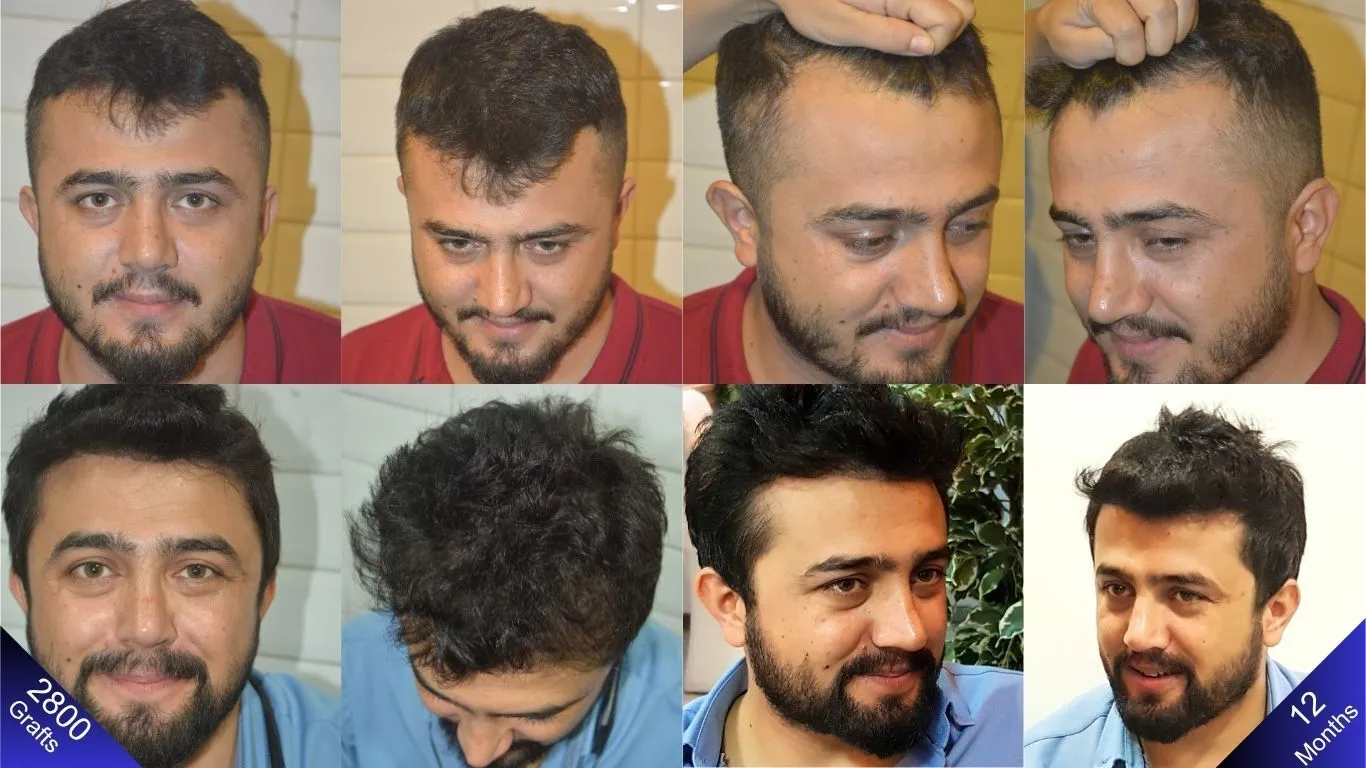
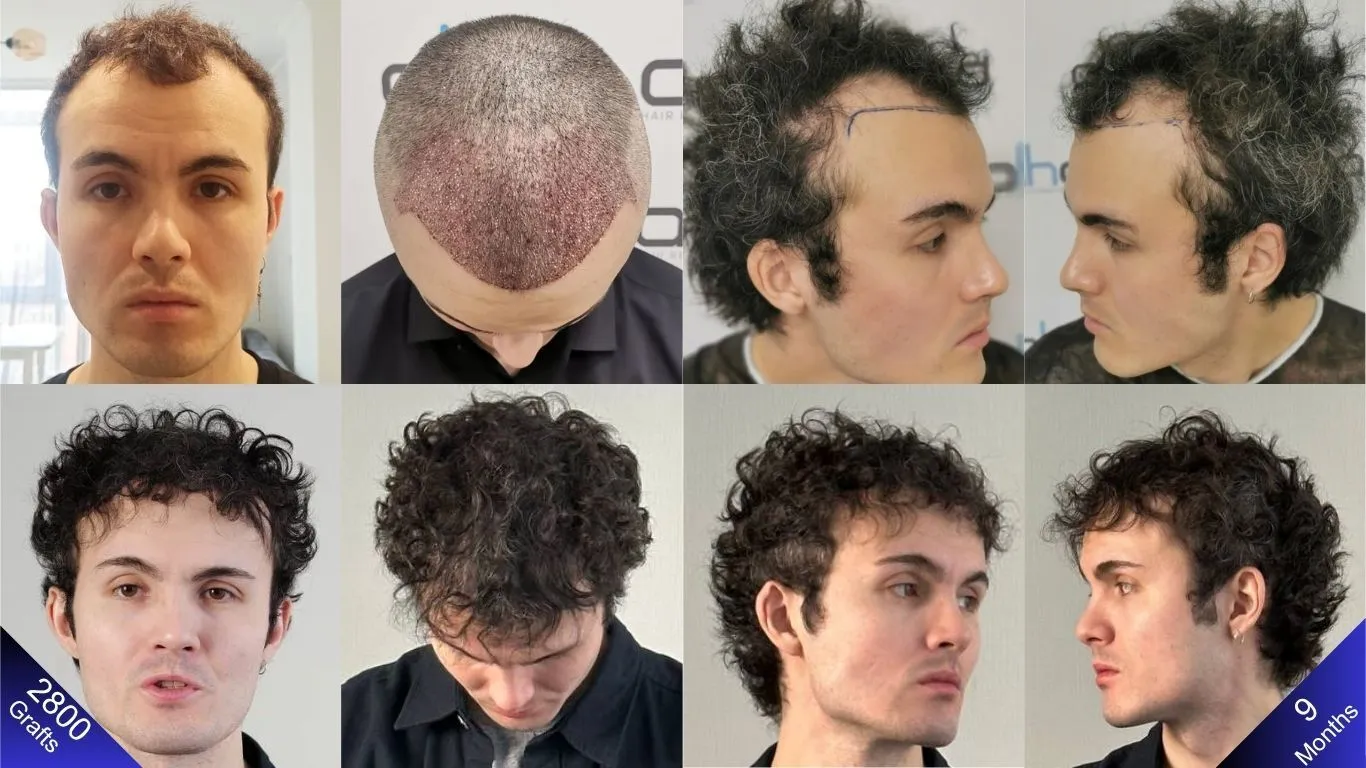
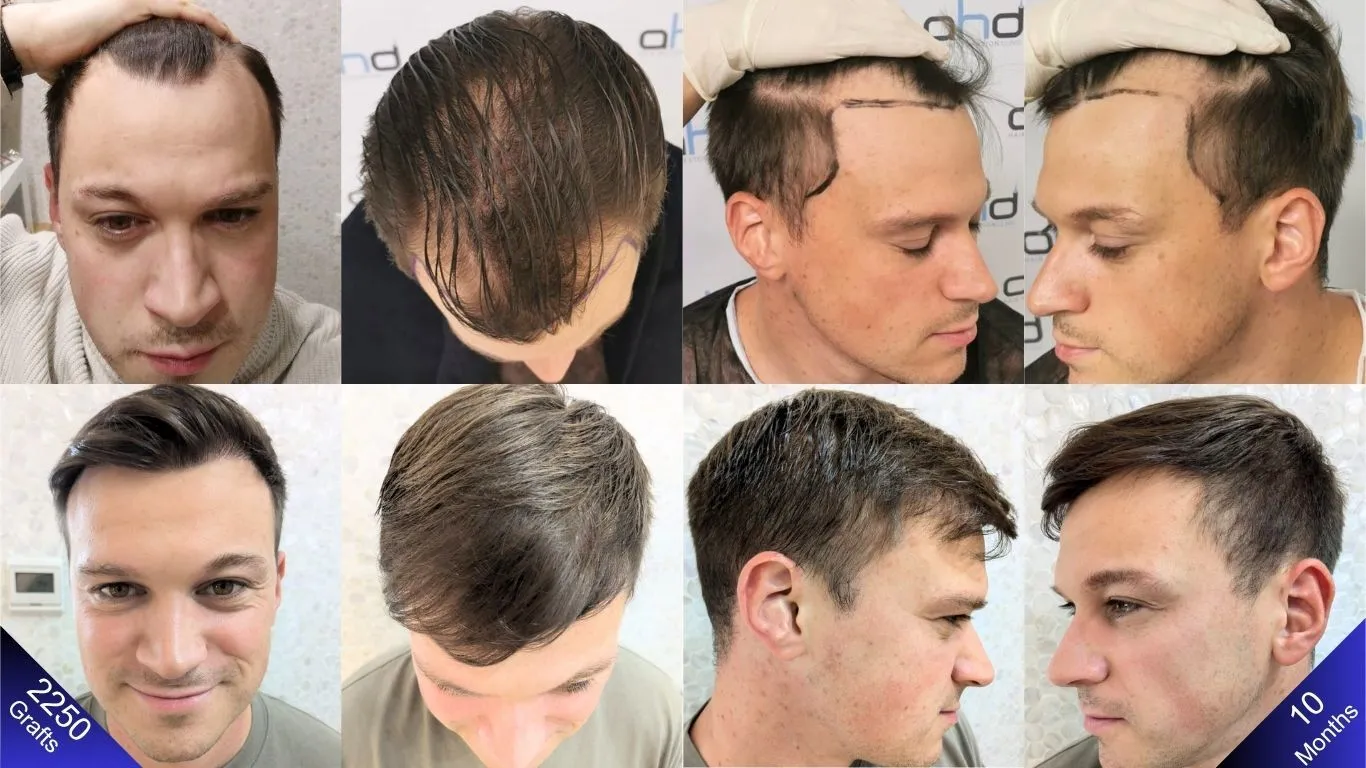
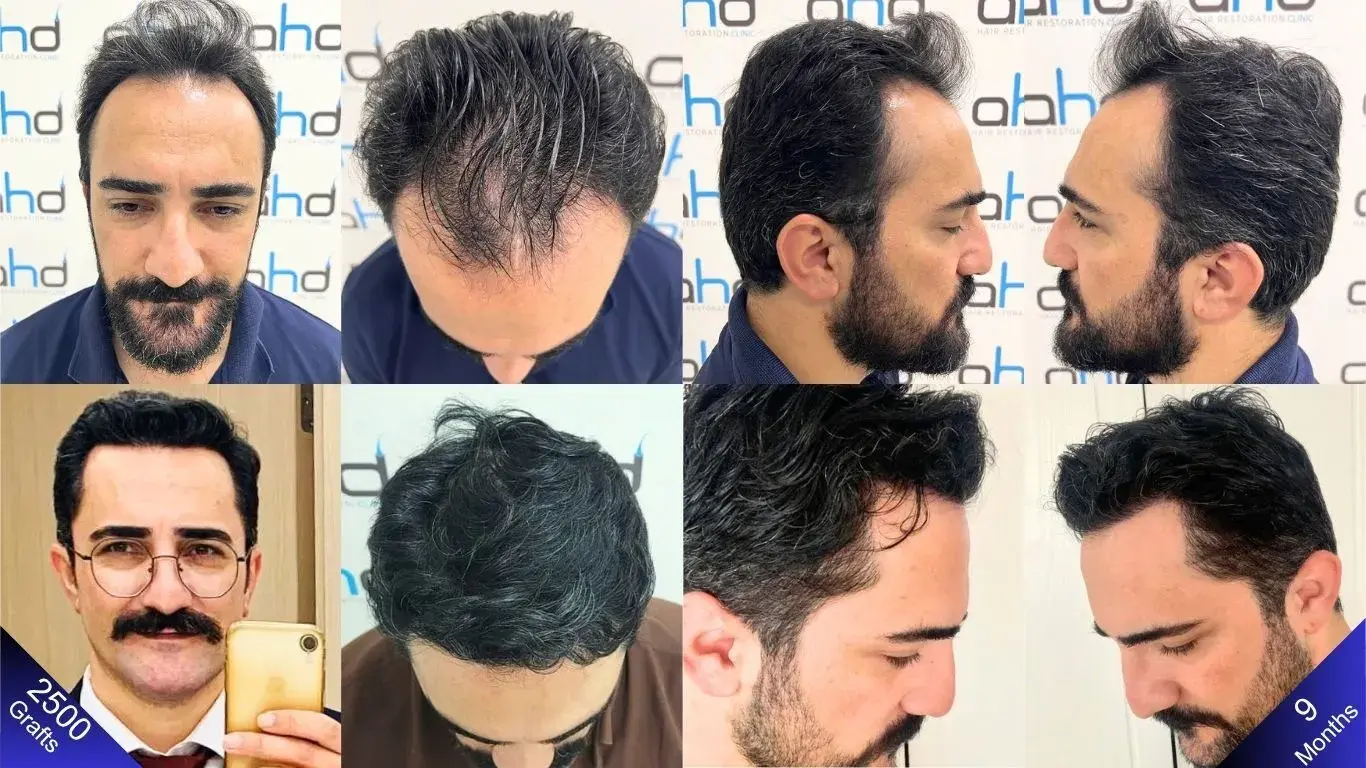
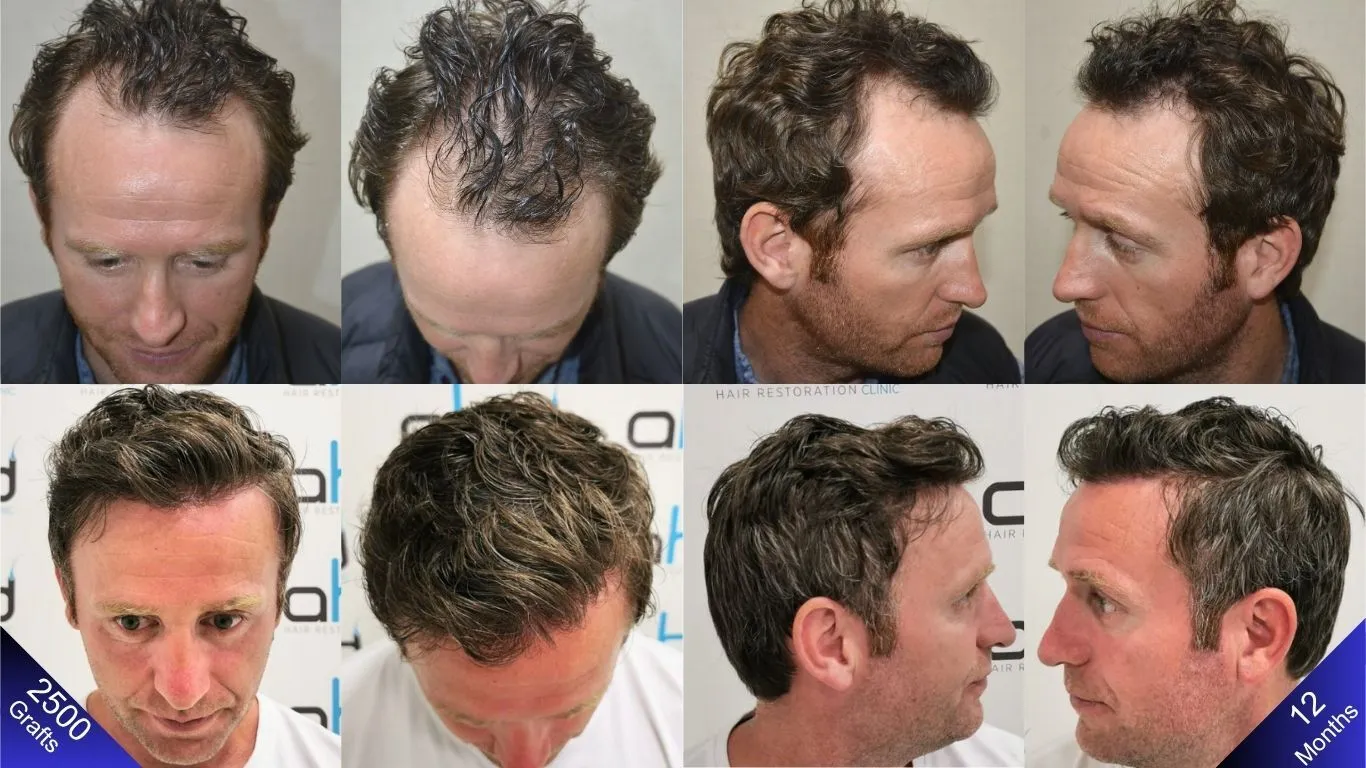
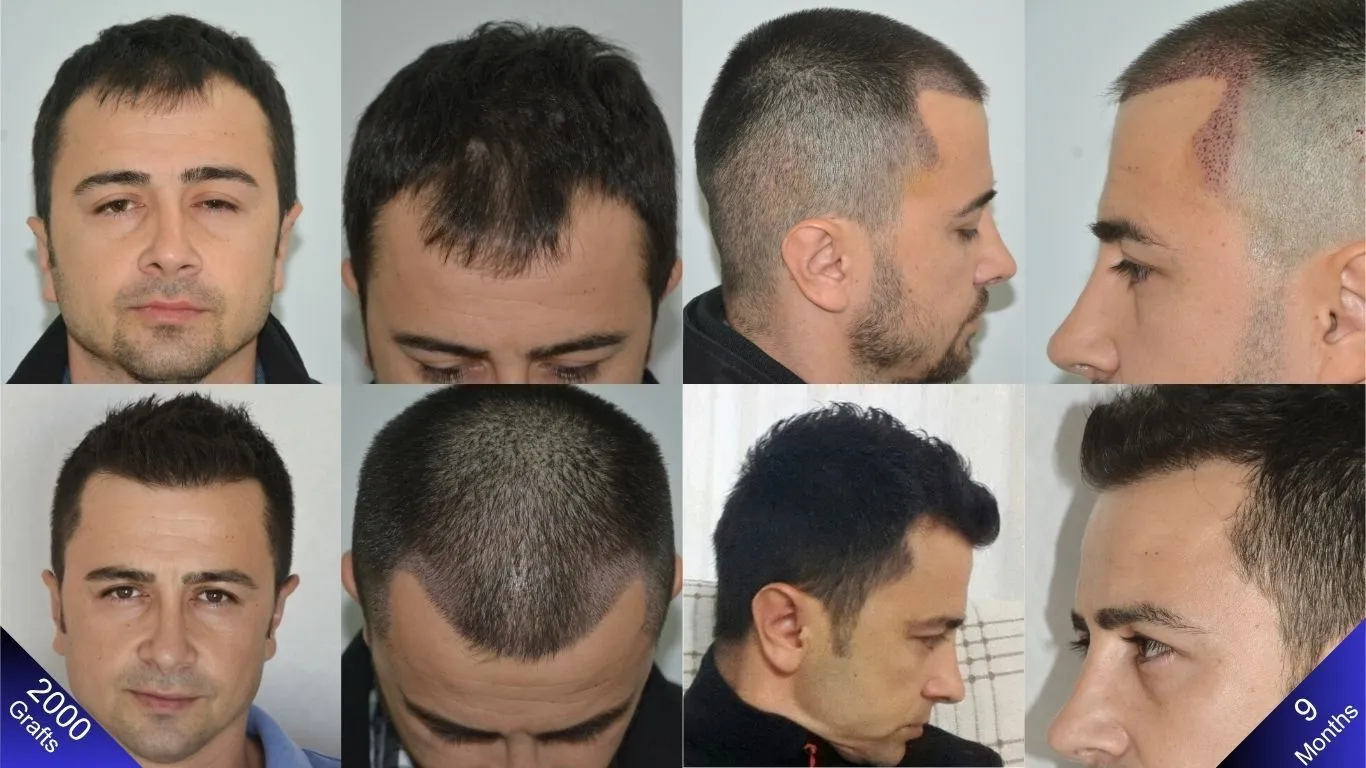
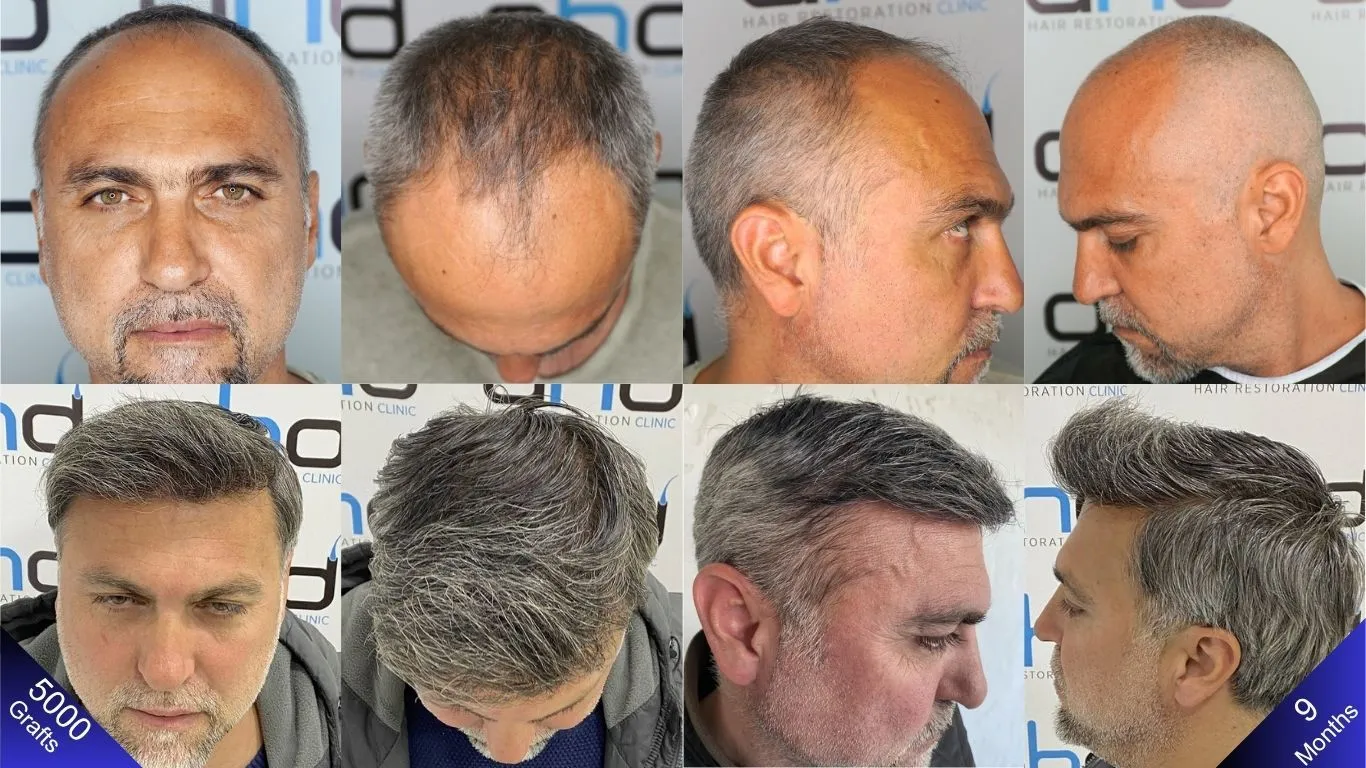

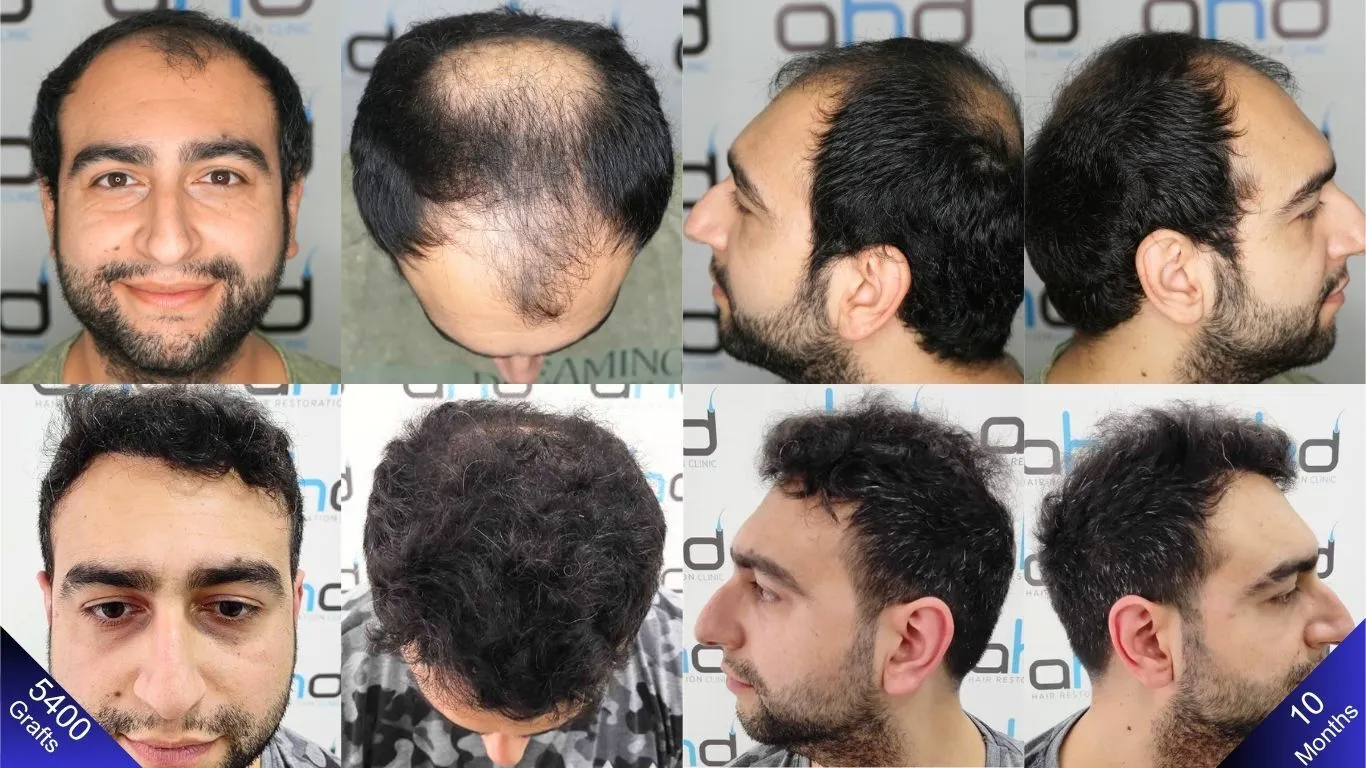
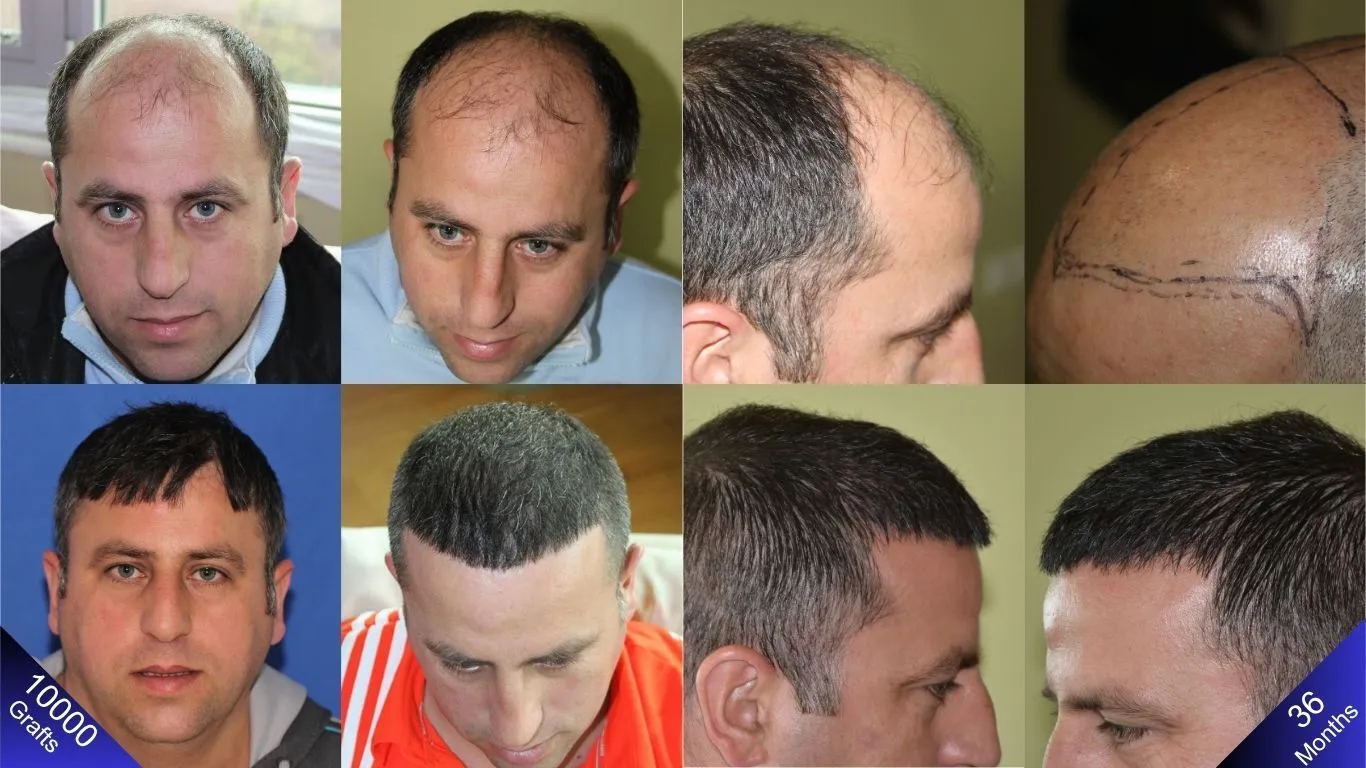
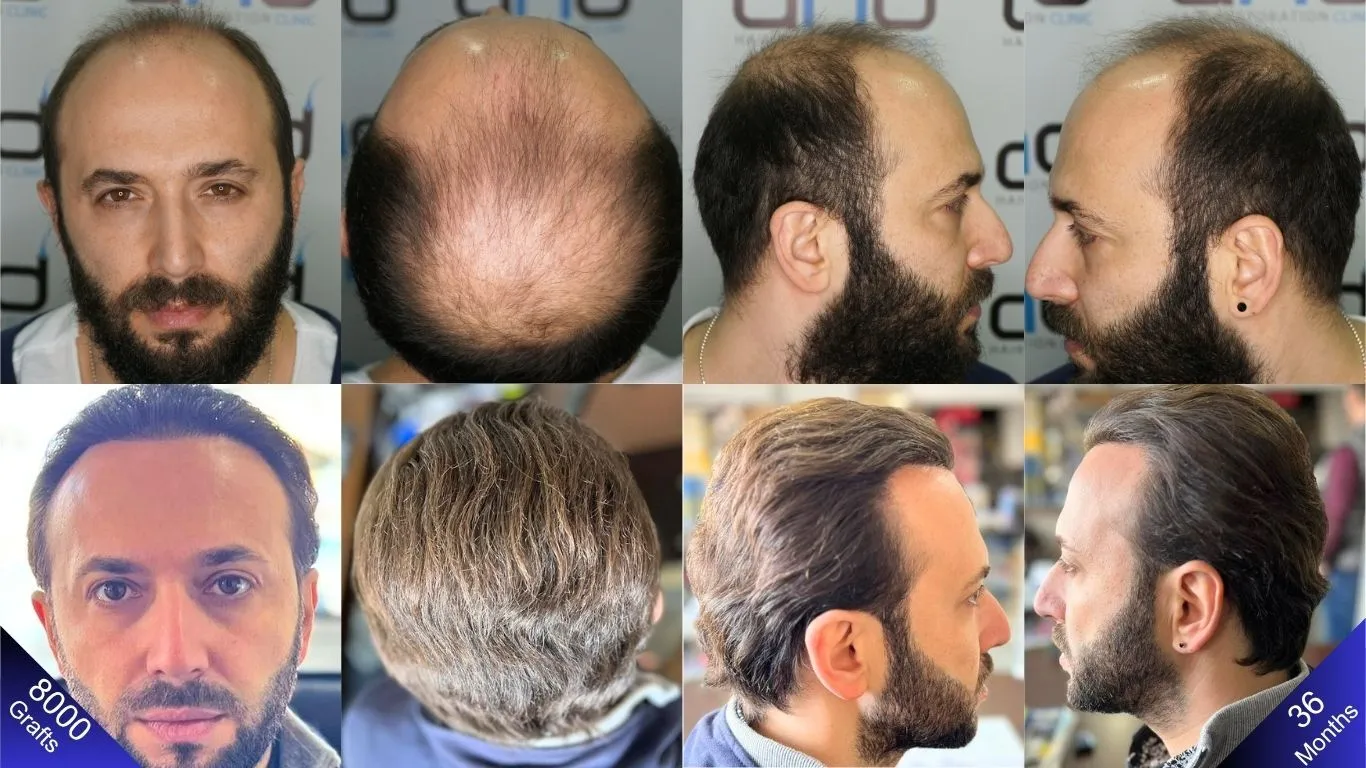
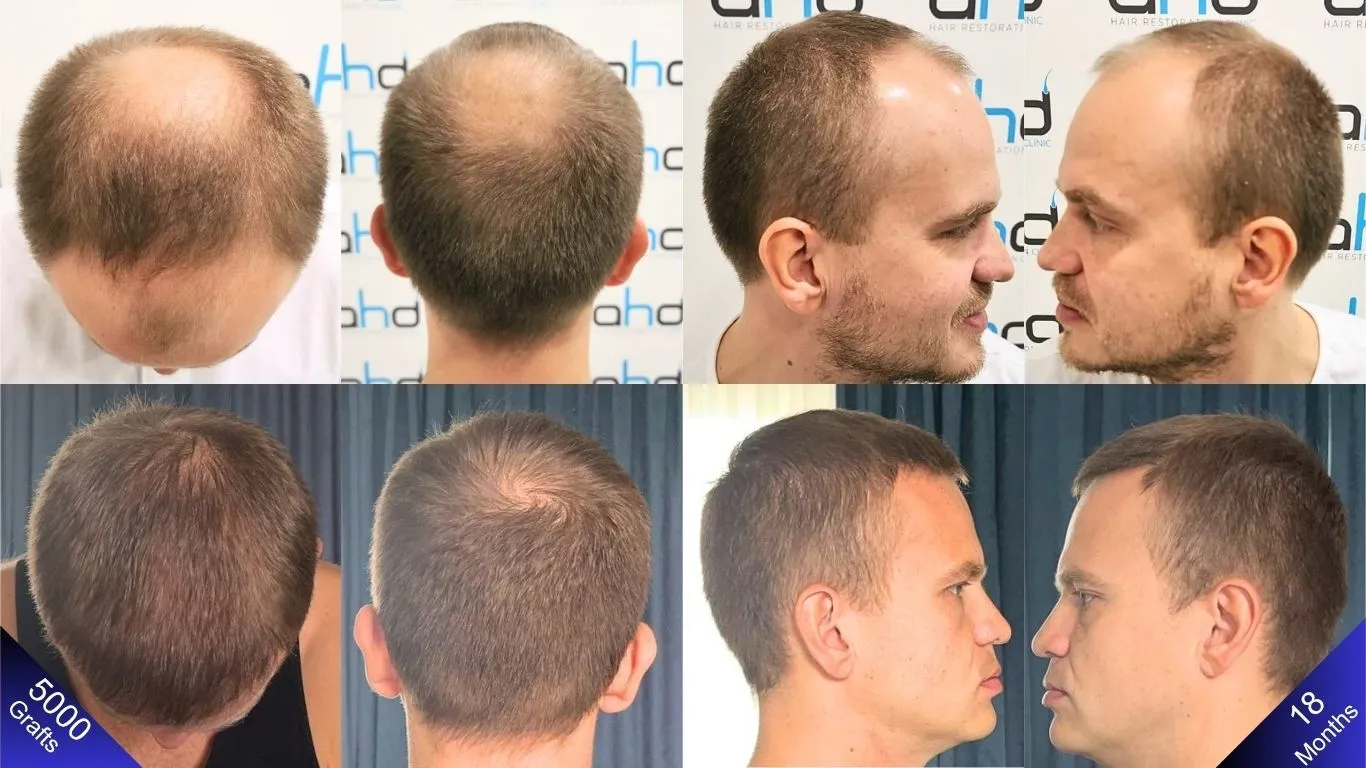
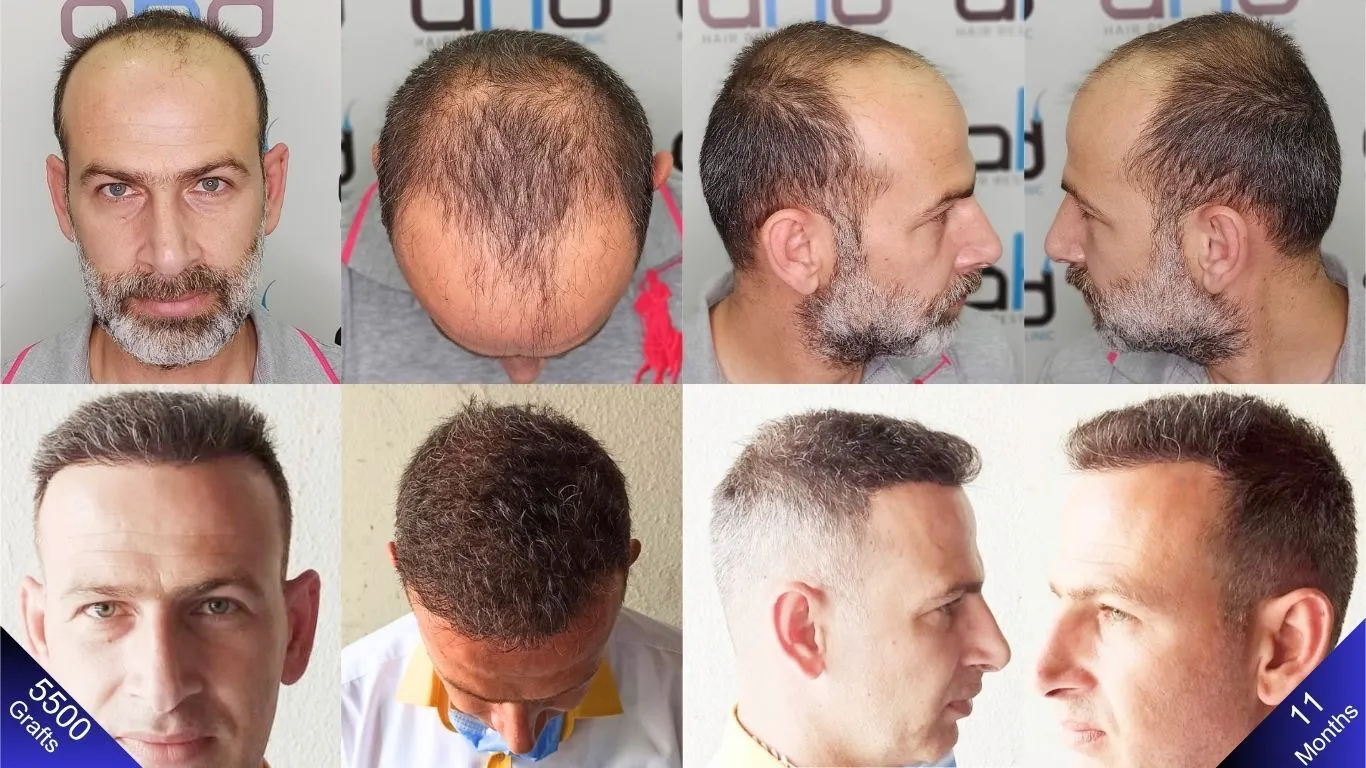
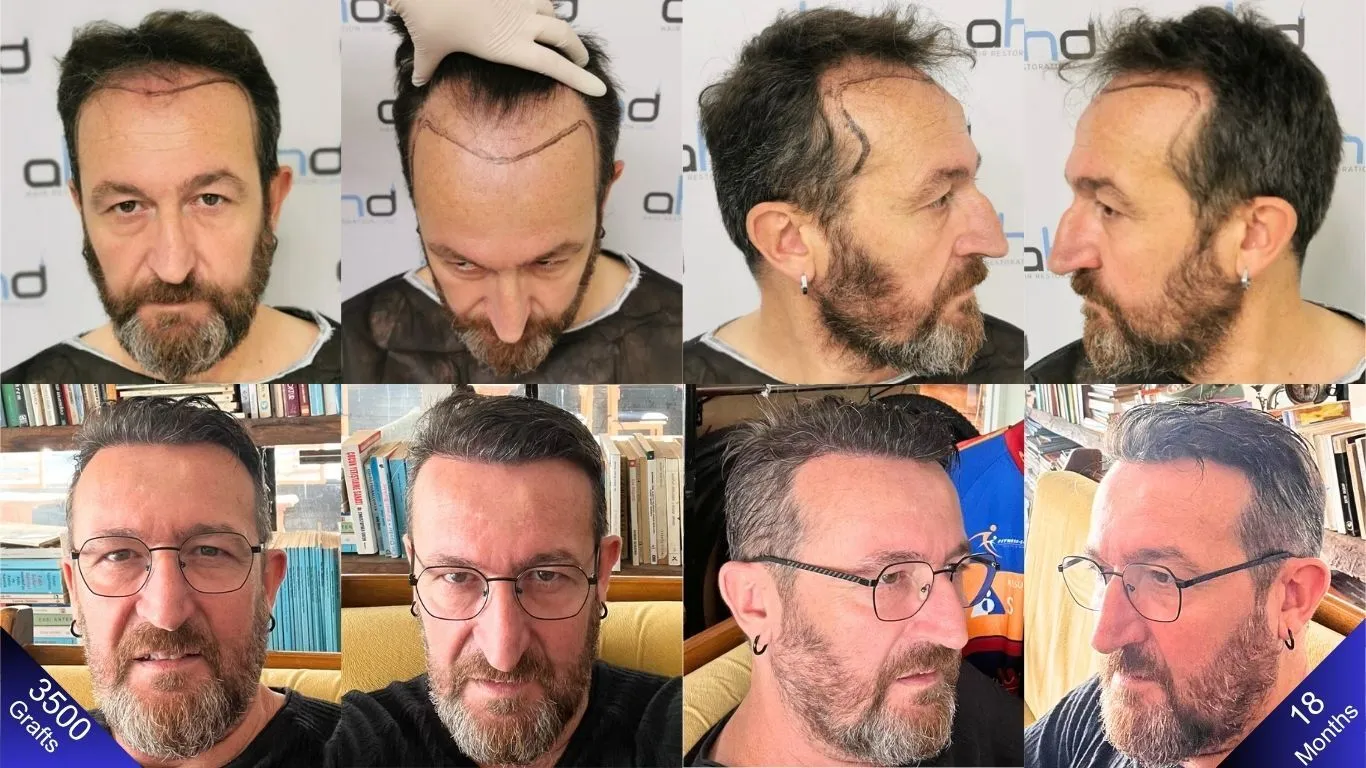
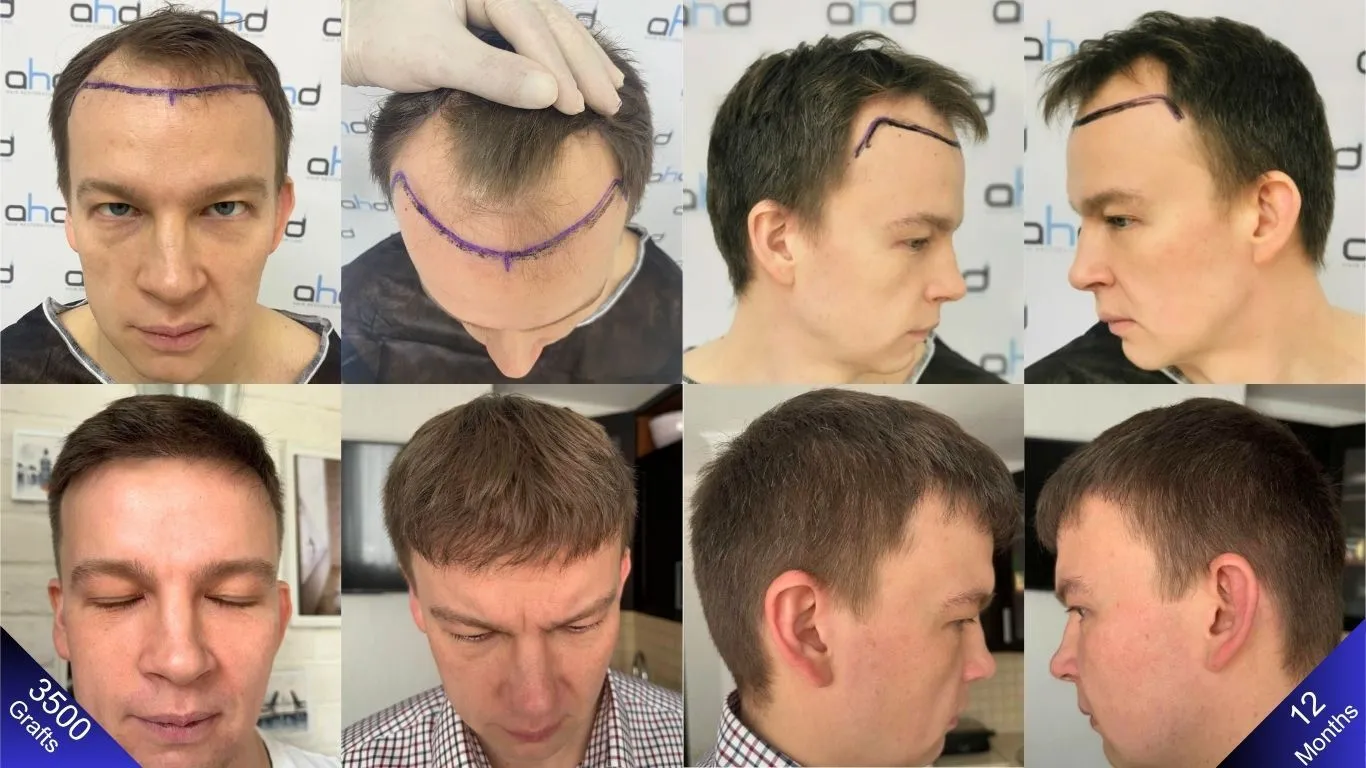
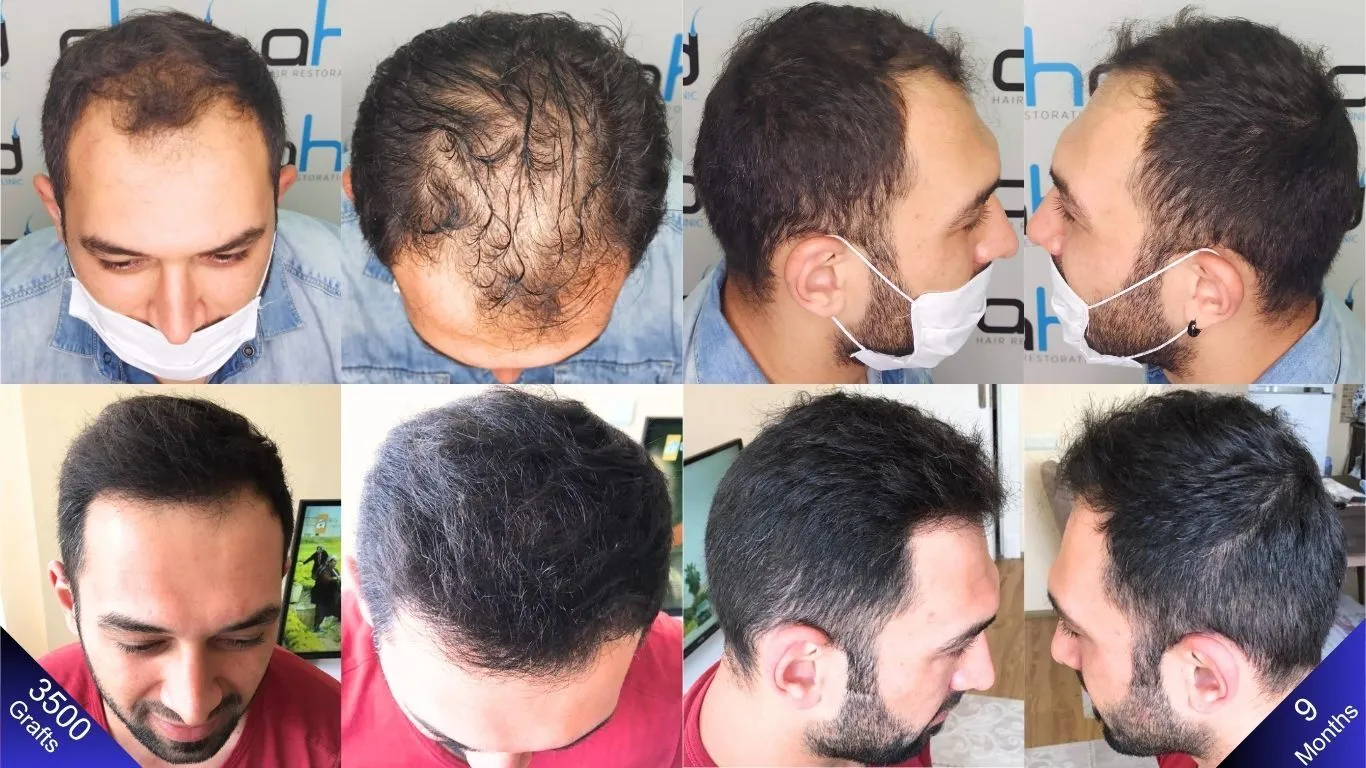
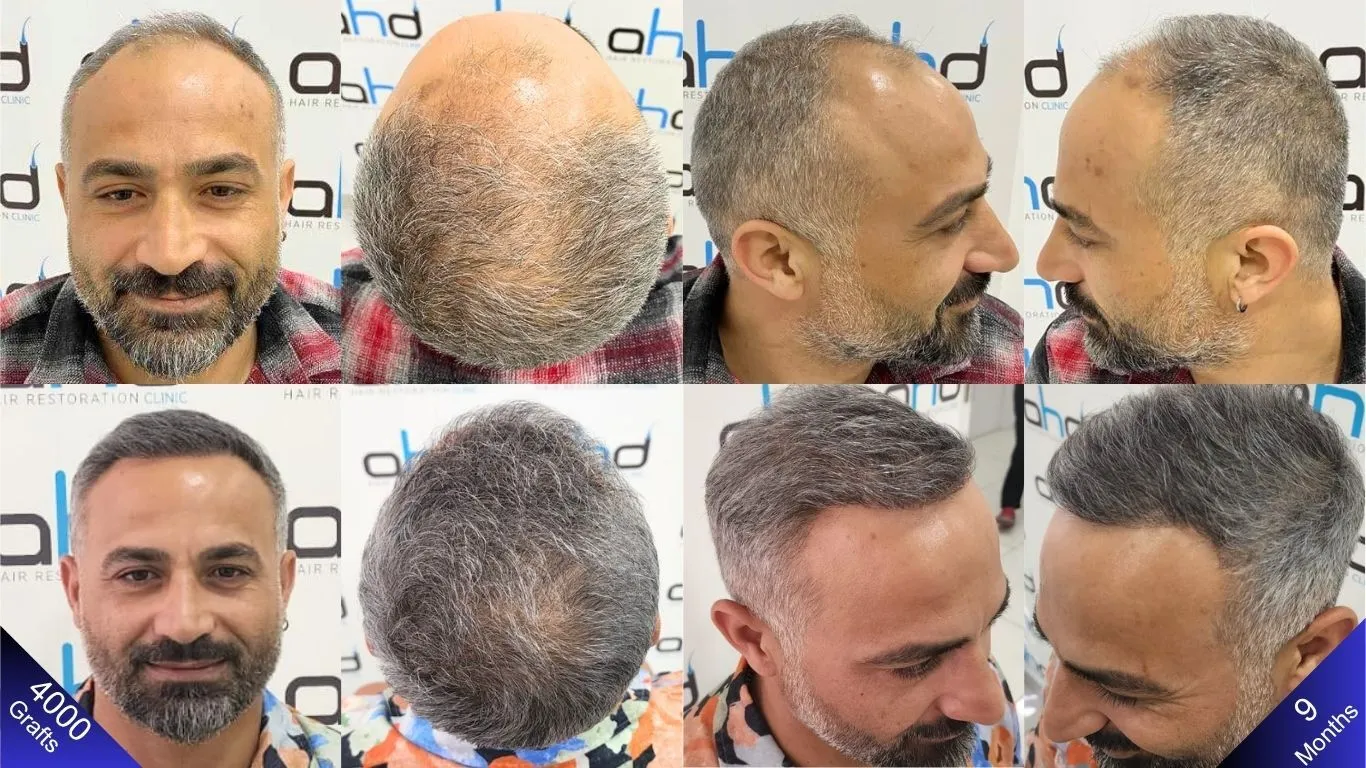
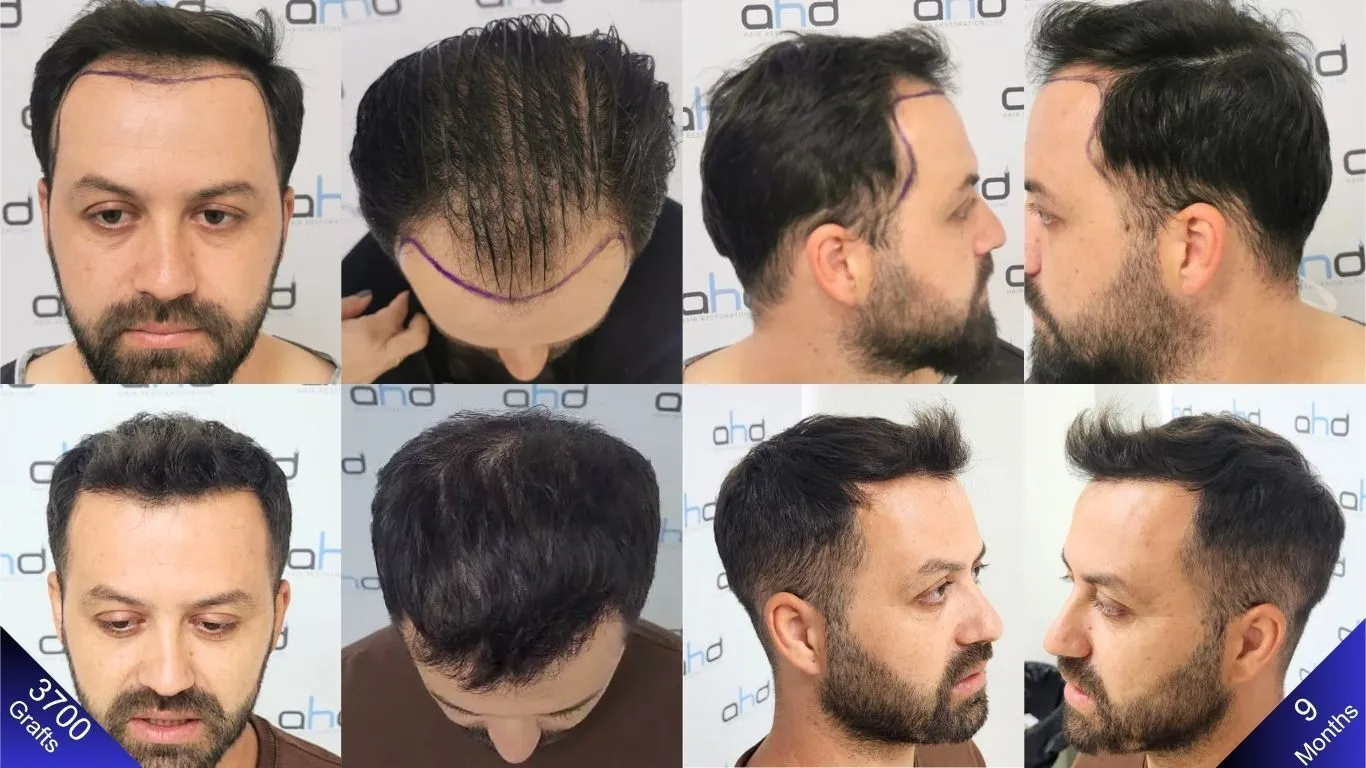

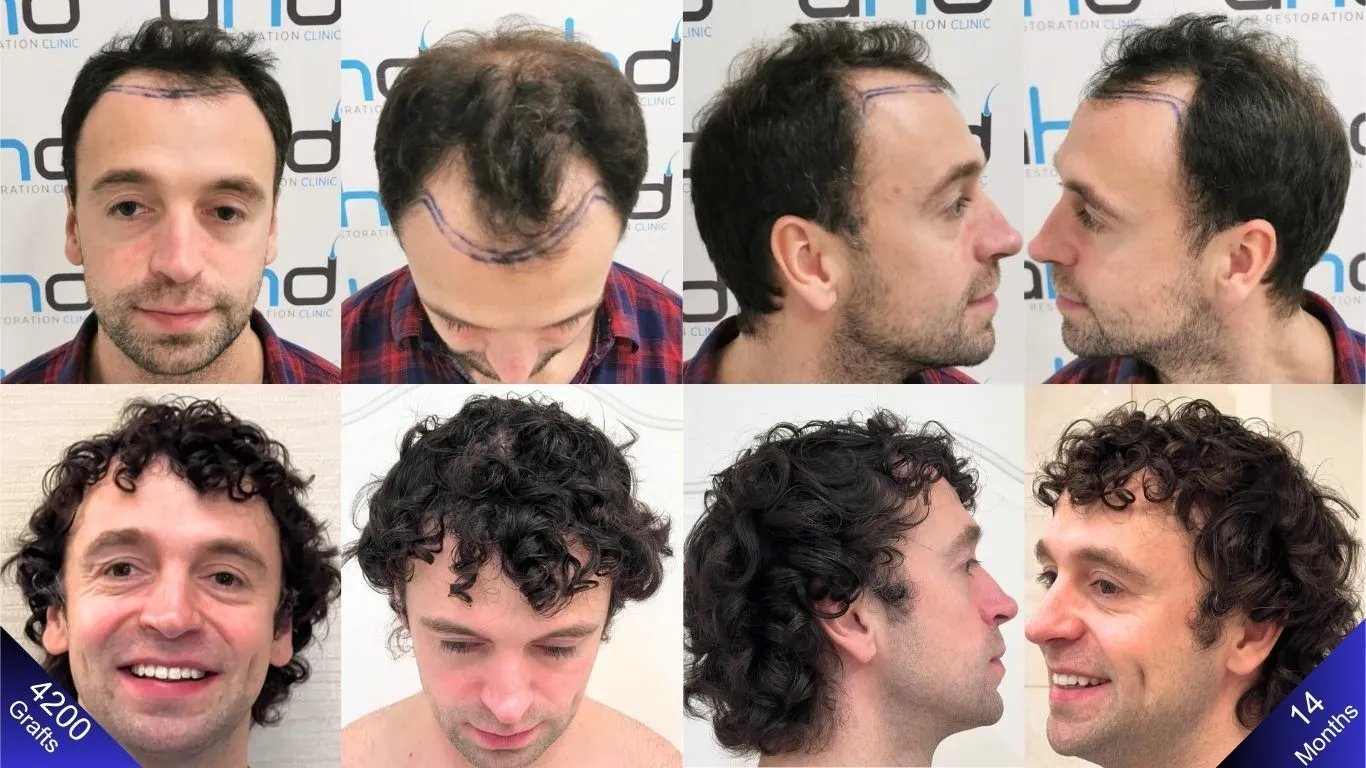
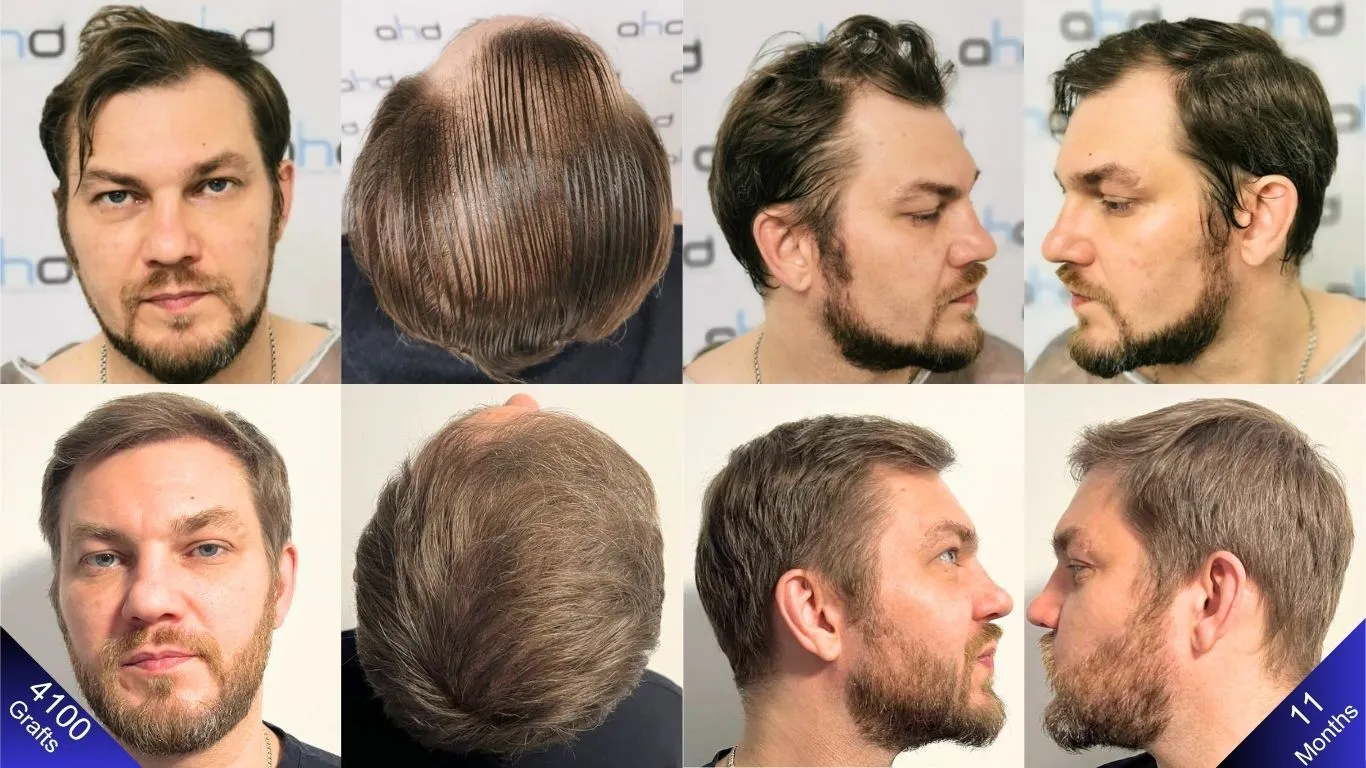
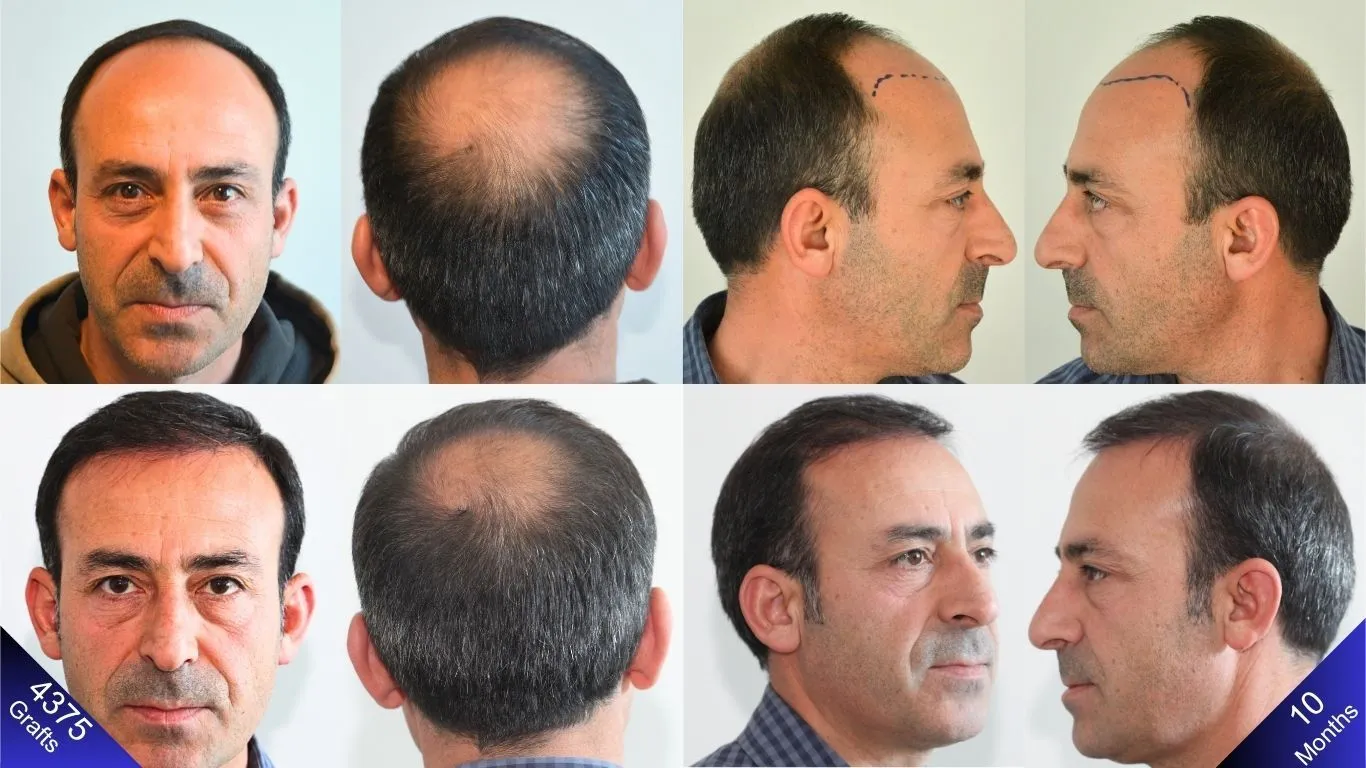
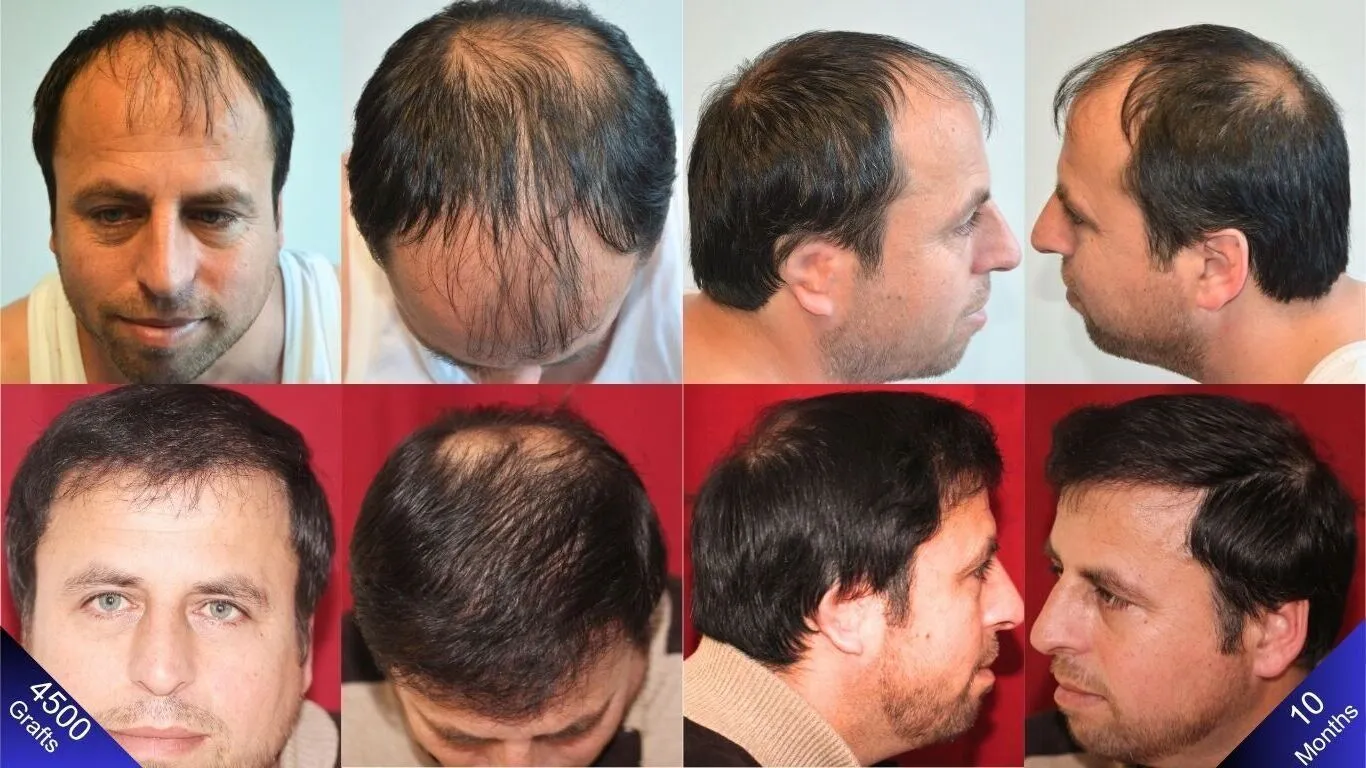
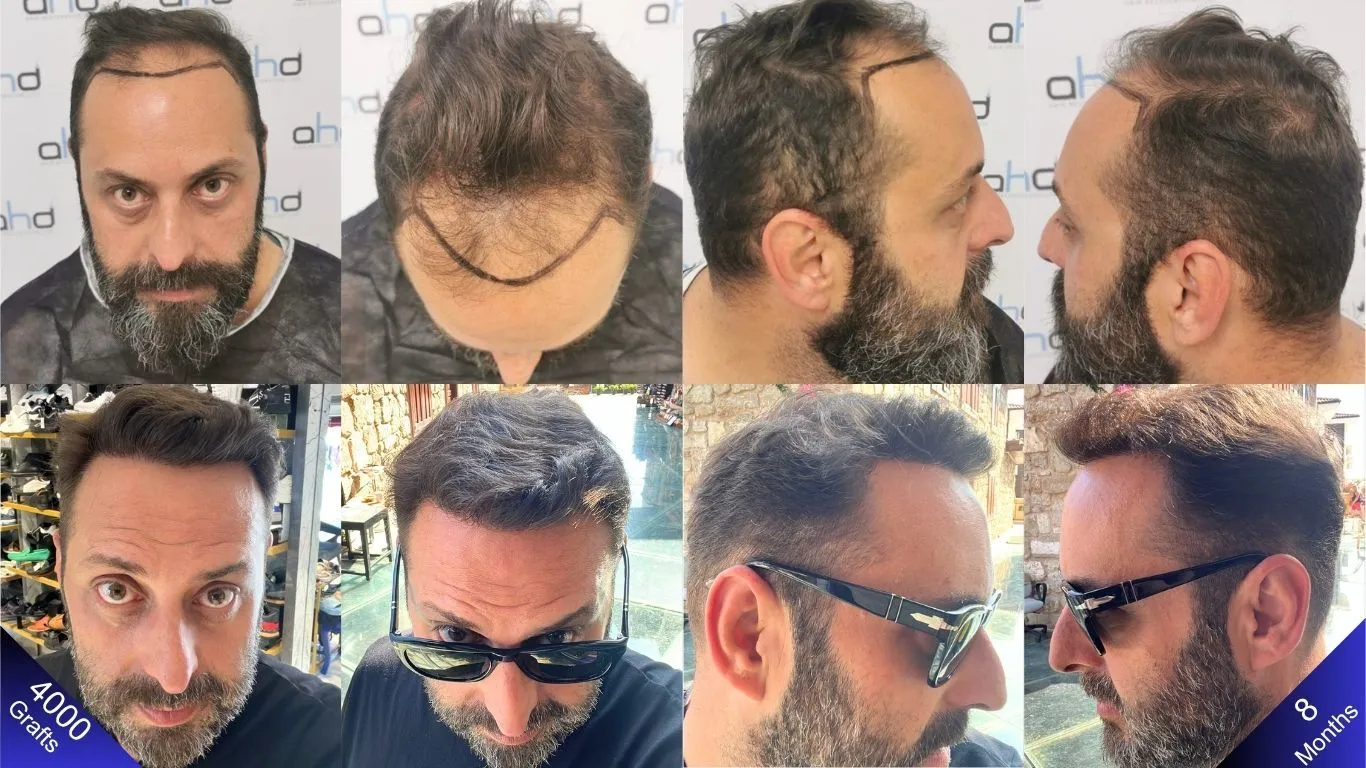
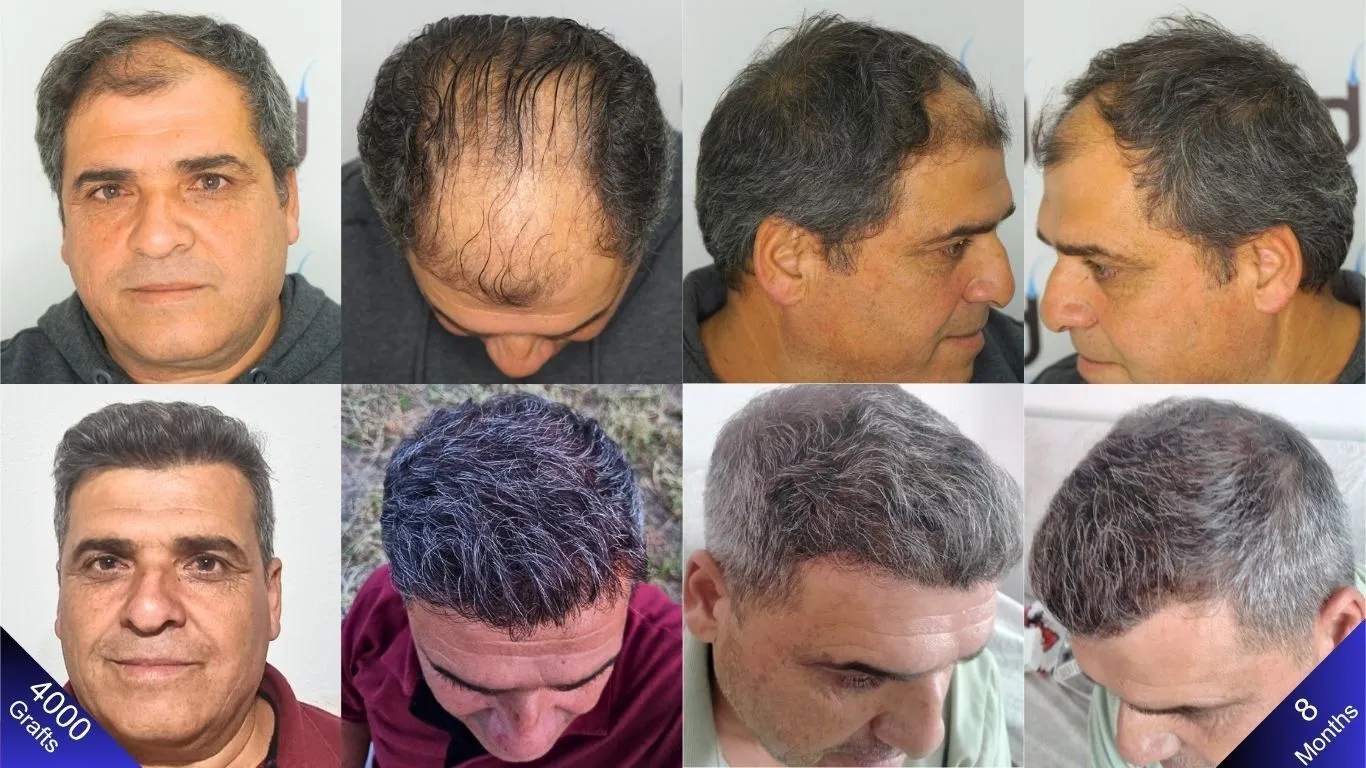
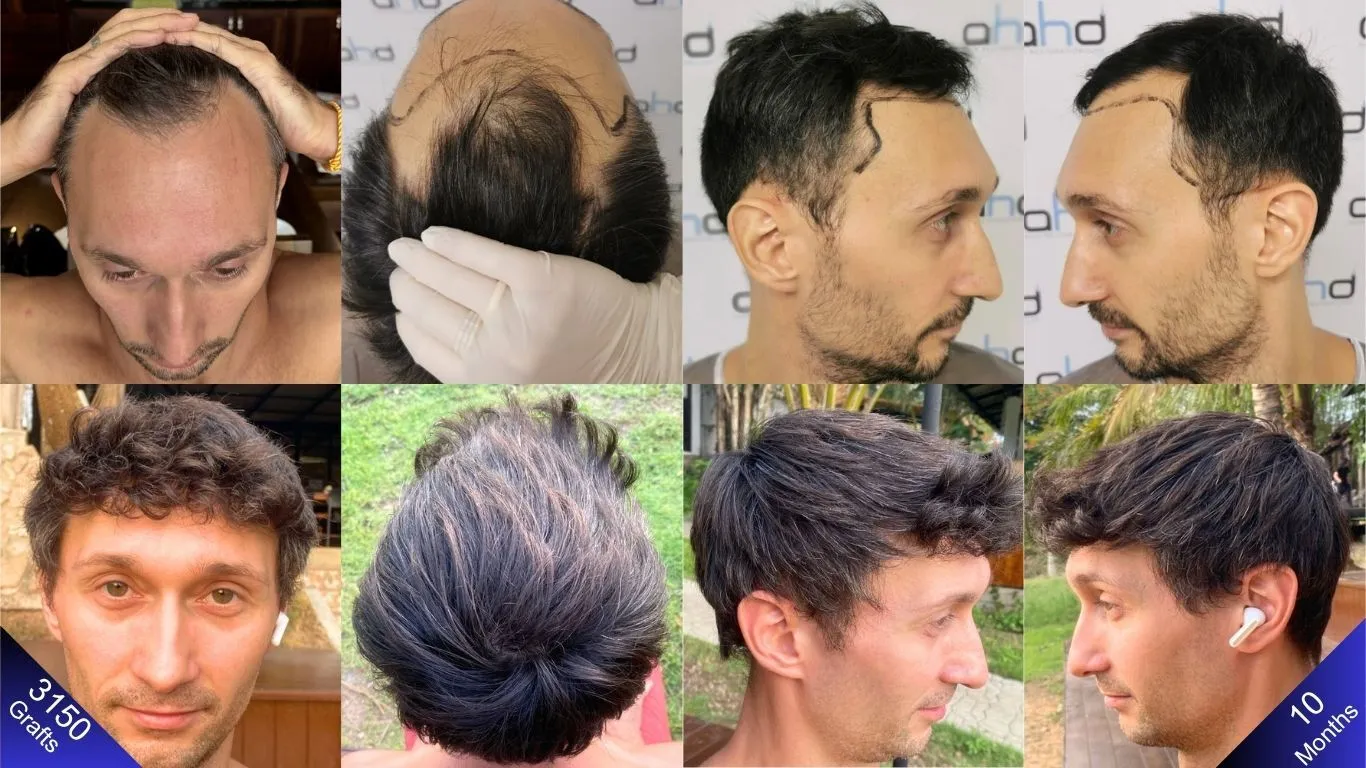
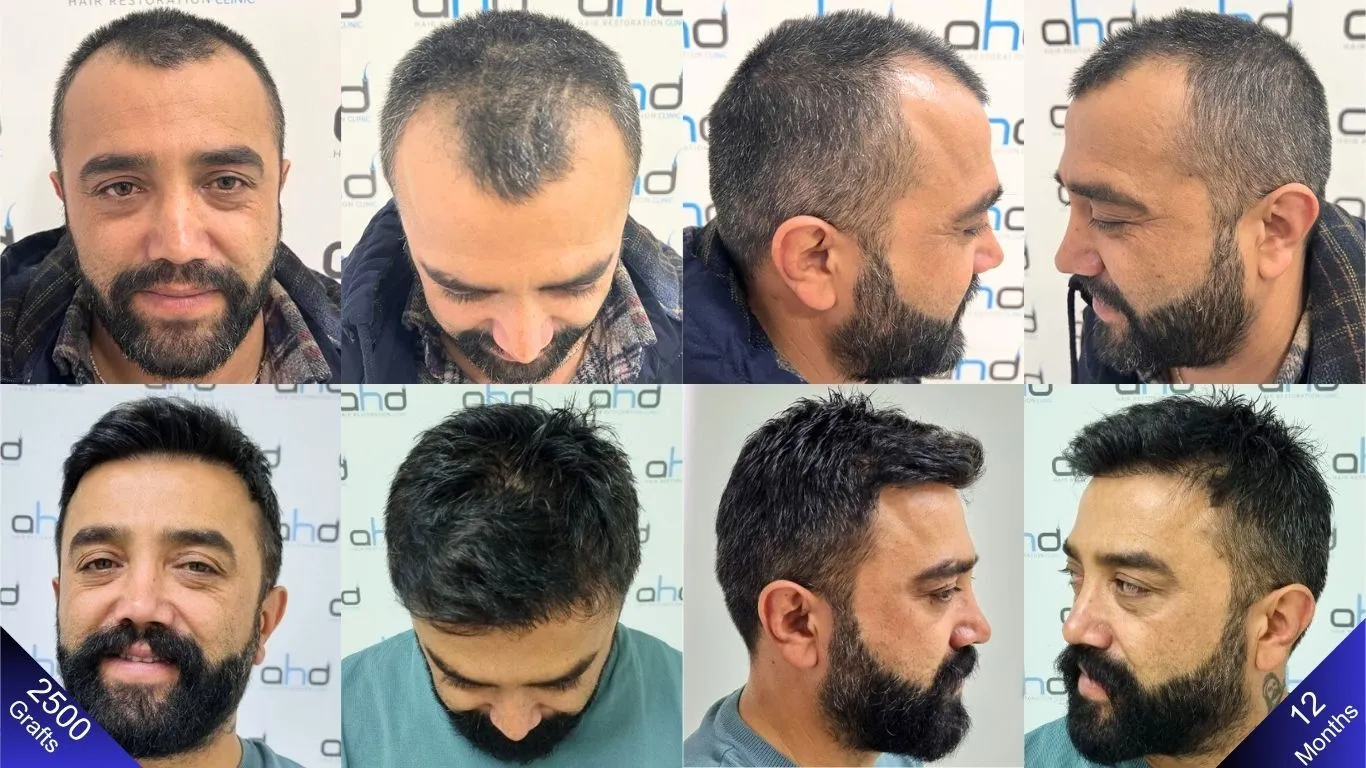
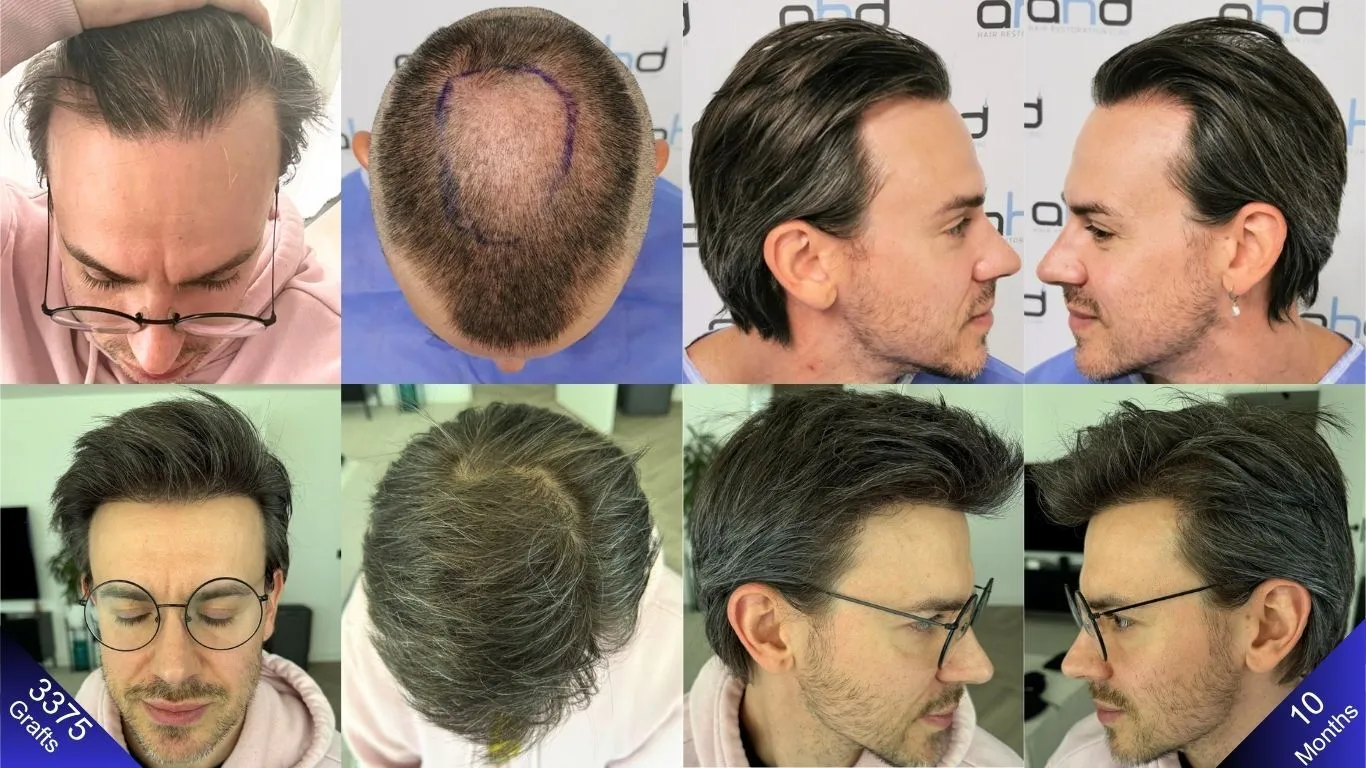

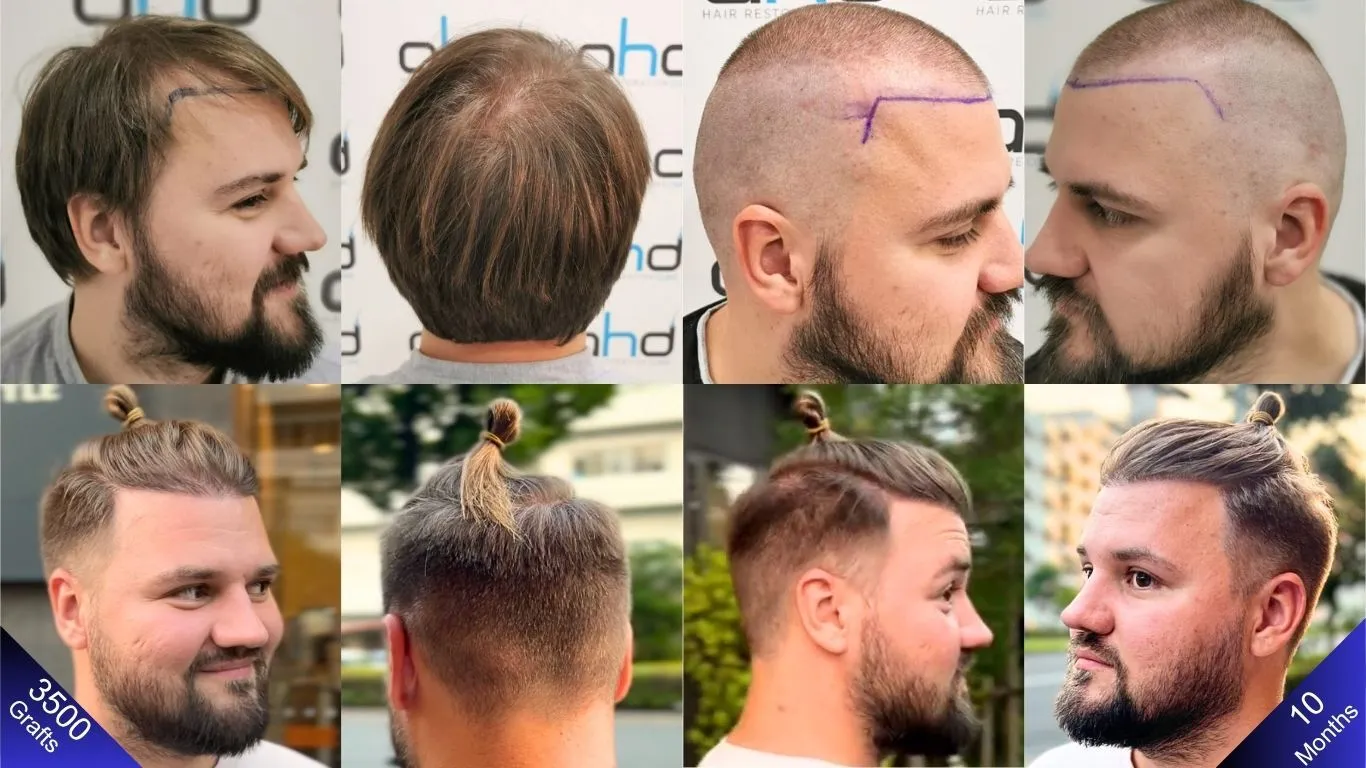
Image Not Found! Try Again
Before and Hair Transplant in Turkey
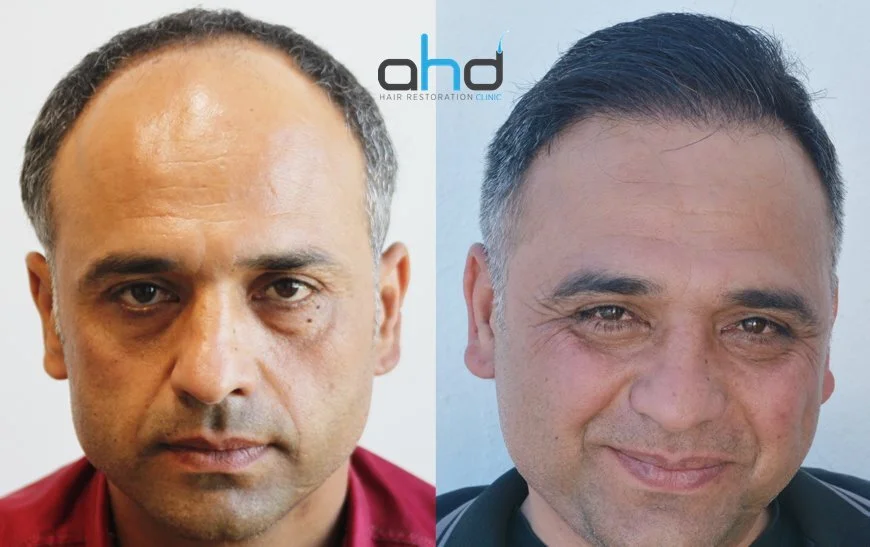
We are able to showcase a portion of our before and after gallery archive here. You can view the results in detail from the gallery section above. AHD Clinic offers you realistic hair transplant before and after results. For more results, you can contact our clinic.
Patient Testimonials and Results with Videos
You can watch videos of our patients who underwent hair transplantation, as well as their before-and-after results, below.
What are the reasons that affect hair transplant results?
People want to have a hair transplant to feel younger and happier. But can everyone achieve the desired happy ending as a result of hair transplantation? Unfortunately, the answer to this question is no. So what are the reasons affecting hair transplant results? Why does not everyone get the desired results? And what should be done to get a successful result? Here in this article, we will try to answer these questions. We wish you enjoyable reading.
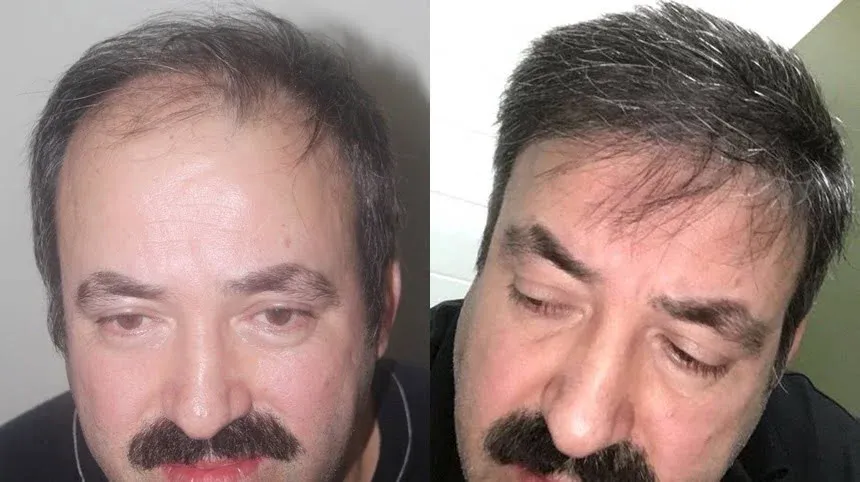
In order to call a hair transplantation successful, the following 3 criteria must be met at the same time.
- Collection of grafts without disturbing the natural appearance of the donor area: Everyone has a different donor site capacity. If this capacity is exceeded and an excessive number of grafts are taken, deformity in the donor area is inevitable. As a result, bald and disfigured areas may occur in the nape of the neck.
- To achieve a targeted and satisfactory hair density in the recipient area: For this, the transplanted grafts must be retained to a great extent and the roots must regrow at the end of the process. If the retention rate of the grafts decreases, a sparse image far from the desired density will appear.
- A natural and unmistakable appearance: When a hair transplant is completed, no one who does not know you should be able to recognize it. If they can tell, you cannot be happy with this hair transplant.
It is not correct to talk about success in a hair transplantation where these 3 criteria are not met at the same time. The main purpose of the operation is to increase the hair density in the recipient area in a natural way.
What are the factors affecting hair transplant results?
In order to obtain a good yield from hair transplantation, the following 3 stages should not be made mistakes. In fact, these stages are the continuation of each other and the mistake made before will affect the next one in a chain. These stages are;
- Hair transplant preoperative period
- Surgical phase
- Proper management of the post–hair transplant recovery process
In our opinion, the most important stage to get the desired result in a hair transplantation is the starting point. In other words, it is to decide whether you are suitable for the operation. Whether you are suitable for hair transplantation can only be decided after the examination of an experienced hair surgeon. The following points should be taken into consideration during the consultation.
- Your expectations from the procedure
- Your age
- The cause and extent of hair loss in your family and yourself, and whether your hair loss is still progressing
- Your donor area capacity
- Any chronic conditions and medications you are taking, which your doctor will review in detail
At the end of the evaluation, it will be decided whether you are suitable for hair transplantation. We will examine this issue in detail in another article. If you do not want to be disappointed after hair transplantation, please read this article carefully. We also strongly recommend you to watch the video titled Are you suitable for hair transplantation on our YouTube channel.
Reasons affecting the hair transplant result
Corrections or mistakes made during the operation directly affect the outcome of the operation. In fact, the experience and knowledge of the surgeon and auxiliary staff who perform the operation come to the fore here
1 ) Choosing the Right Doctor and Clinic
You should focus not on where the surgery will be performed, but on who will perform the surgery for you. The chain of mistakes made during hair transplantation will cause unwanted and irreversible consequences. An experienced hair doctor who acts from an aesthetic point of view carries out every stage of hair transplantation from beginning to end within the framework of medical rules.
For this, we strongly recommend that you examine the experience of the doctor who will perform your hair transplantation, the results before and after, and the comments on the forum sites on the internet. In order to get a successful hair transplant result, we recommend you to consider the differences between experienced hair doctors and black market and under the stairs clinics.
Here, we are presenting the factors that will directly affect the hair transplant result during the operation in short headings.
2 ) Graft Extraction from the Donor Area
In hair transplantation, the grafts to be transplanted are first collected from the donor area. However, this graft collection also has its own rules. If too many grafts are taken from the donor area unconsciously by exceeding the capacity, so to speak, ‘an eye is removed while trying to make an eyebrow’. Therefore, a balanced number of grafts should be taken according to everyone’s own graft capacity.
Grafts should not be taken by going beyond the safe area to get more grafts. Because the anagen phase of the grafts shortens as you go out of the safe area. However, the survival rate of the hair collected within the safe area is more than 80% at the end of 10 years. Even if the hair with low anagen phase is transplanted, the retention rate of these hairs will be lower. In addition, where these weak and lifeless hairs are transplanted, the risk of subsequent hair loss increases. As can be seen, the process of taking grafts from the donor area in accordance with the rules directly affects the result of hair transplantation.
The number of grafts needed will vary according to the degree of hair loss. For example, a very good result can be obtained with 2000 grafts in Norwood 3 hair loss. However, the number of grafts required may increase up to 10,000 in people with high hair loss such as Norwood 6-7.
A hair transplant operation proceeds within the framework of mathematical rules. The number of grafts that can be taken according to the donor capacity of everyone is different. Depending on the donor capacity, there may even be people who can receive 10,000 or more grafts. Of course, it is a big mistake to take 10,000 grafts at once. It is the best option to take grafts by dividing them into several sessions. Therefore, the hair density in the recipient area of people with a high number of grafts to be taken will be mathematically higher.
3 ) Hairline creation
Everyone has a different hairline specific to their age and facial structure. An experienced hair transplant doctor knows how to create the most natural hairline suitable for the person. In addition, the front hairline hair should consist entirely of single and thin roots. Unfortunately, you can see many people around you whose front line is filled with hair follicles and has an unnatural appearance due to right angles.
4) The Direction and Angle of The Transplanted Hair
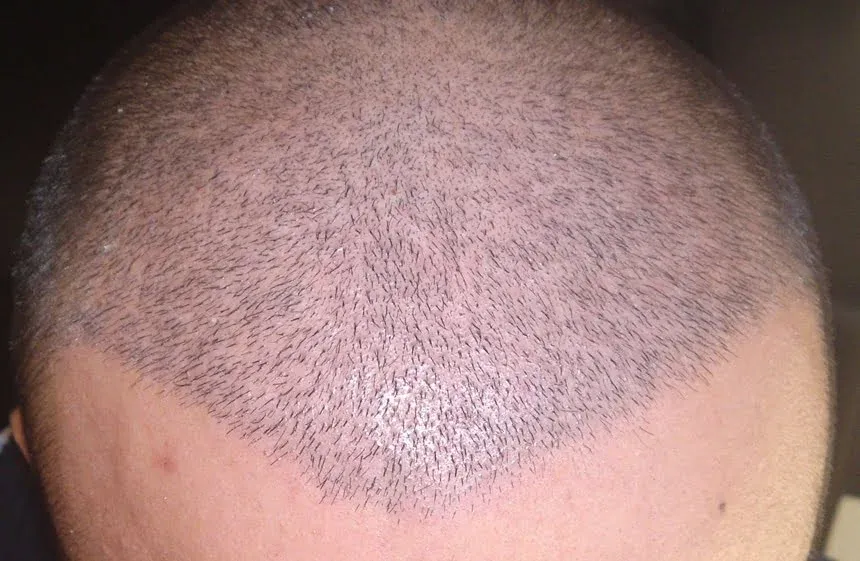
Natural hair growth angles are between 20-25 degrees in the front line and 10-15 degrees in the temple area. These angles continue to increase towards the back. A good result cannot be expected from hair transplantation in a random operation without observing the hair growth angles and directions.
It is essential to maintain a logical proportion between the size of the area to be transplanted and the number of grafts. In other words, the ideal number of grafts to implant per square centimeter is determined by the specific needs of the patient. Sparse implantation has been shown to be ineffective. Attempting excessively dense implantation in a single session is also risky. It increases the risk of necrosis, and because damage to the capillaries that nourish the hair follicles may occur, a large proportion of the transplanted hairs may not grow even if they are implanted densely. The optimal density for this procedure is 40–50 grafts per square centimeter. If a denser appearance is desired and the donor capacity is sufficient, it is more appropriate to perform a second session one year later.
5) Number of Grafts Implanted and Operation Duration
The grafts collected in hair transplantation should be transplanted to their new places as soon as possible. Because the time the roots stay outside is limited. Therefore, as the number of grafts increases, the duration of hair transplantation will increase. For this reason, a hair transplantation should be completed within 6-7 hours at most. Because according to what we know from the literature, the rate of loss of hair follicles increases in operations exceeding 8 hours. Therefore, as the time increases, the retention rate of the transplanted hair will decrease and a sparse hair transplantation result will occur.
Generally, 2.000 – 2.500 graft transplantation is completed within 6-7 hours. For this reason, it has become a routine practice in the AHD clinic to divide hair transplantation into 2 consecutive days in graft numbers exceeding this number. For example, in a person who is planned to have 4,000 grafts of hair transplantation, 2000 grafts are taken and transplanted on the first day. On the second day, the same procedure is repeated and 2000 grafts are taken and transplanted. In fact, this is a commercially unfavourable situation. Because we can take another patient and transplant the next day. But we believe that what we do medically is right and we do not compromise on quality.
The reasons we have listed so far are due to the doctor and technician and directly affect the hair transplant result.
6) Technique Used
As you know, FUE and DHI techniques are widely and popularly used in hair transplantation. In fact, it is possible to get a successful result with both techniques if done in accordance with the rules. As AHD clinic, we have been using the DHI method in all our applications such as hair, beard and eyebrow transplantation since 2010. Because of its advantages, we have found that the rate of happiness is higher in those who have hair transplantation with the DHI method. AHD clinic is the first place that comes to mind in Turkey when it comes to implanter pen and dhi hair transplantation.
However, we would like to emphasise the following. The hair transplant pens used in this technique are not a magic wand. The important thing is to use that tool in the best way with technical knowledge and skills.
7 ) Quality of Hair Grafts
Let’s keep in mind that even if the same number of grafts are transplanted, a hair transplant will not give the same result in everyone. Each hair follicle taken from the donor area may have a different number of hair follicles. Some grafts may have 1, some 2, some 3, some even 4 or more hair strands. Therefore, let’s consider 3 people with 3000 grafts. Although the number of grafts is the same in these people, the number of hair strands may be 4.000 hair strands in the first person, 6.000 hair strands in the second person and 8.000 hair strands in the third person. Therefore, the hair density of the third person will be twice the first person.
8) Structure and Color of Hair
A hair follicle can be thick, thin or normal volume depending on the person. Or it can be straight wavy curly. Thick and wavy hair will of course create a fuller and more intense image. Again, people’s hair can be black, yellow, red, brown or white in colour. It is also normal that there is a difference between the results according to the colour and tone difference in the hair.
The Effect of the Post-hair transplant Period on the Results
After hair transplantation, there will be expected complications such as redness, crusting, pain, swelling and shock loss. Most of these are temporary conditions that will disappear with simple measures. Mistakes made especially in the first 10 days of recovery period can negatively affect the hair transplant result.
In addition, especially within 1 month after the operation, you should take the right steps in sports, sexual activity, sleep, sleeping position, swimming, sun protection and hair shaving. Therefore, you should take your doctor’s recommendations into consideration during this period.
In addition, infection may develop in the donor and recipient area if sterilization rules are not followed. If the infection cannot be controlled, the transplanted roots may die. The desired hair density cannot be achieved due to lost follicles.
Hair Transplant Results: A Monthly Timeline
A certain amount of time must pass for the transplanted hair to reach the desired level. Now, let’s take a brief look at the transformation you will experience month by month after the hair transplant.
Month 1

Particularly the first 10 days is the period for wound healing. It is normal to have simple and temporary complications such as pain, redness, crusting, and swelling during this period. With the first wash, the crusts begin to fall off gradually. From the second week onwards, “shock loss” of the transplanted hair begins. This is a completely normal and temporary condition. Mistakes made especially within the first 10 days can negatively affect the hair transplant result. Therefore, we recommend that you follow your doctor’s advice after the operation. Within the first 2 weeks, you should avoid activities such as sports, trauma, haircuts, washing, sexual activity, as well as paying attention to your sleeping and resting positions.
2. Month

Shock loss may continue for up to about two months. In fact, you have entered the period when you may feel the most unhappy. You might become anxious because of the hair you are losing. Additionally, due to a non-uniform appearance, visual irregularities can occur during this phase. However, please do not worry—this is only a temporary condition.
3. Month
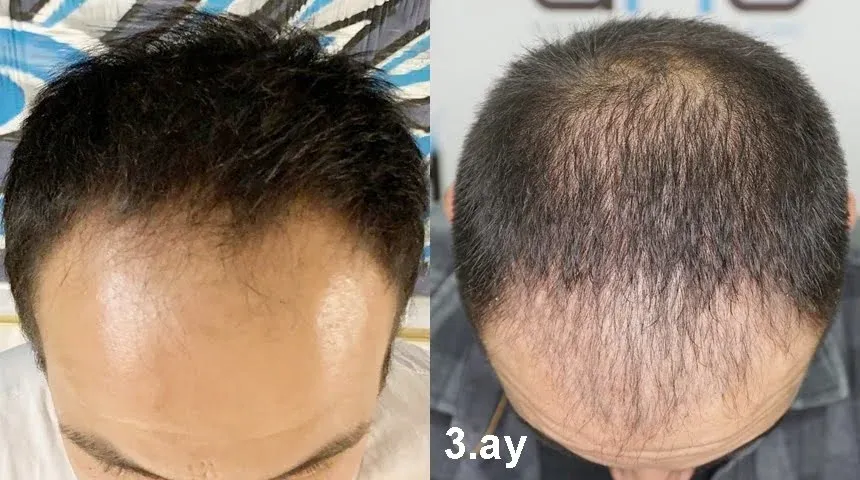
Shock loss has been completed. During this period, irregular and non-uniform appearances are observed. The hairs that have penetrated the skin begin to enter the emergence phase. From the 3rd month onward, the shed hairs start to regrow gradually, one by one.
Months 4–5
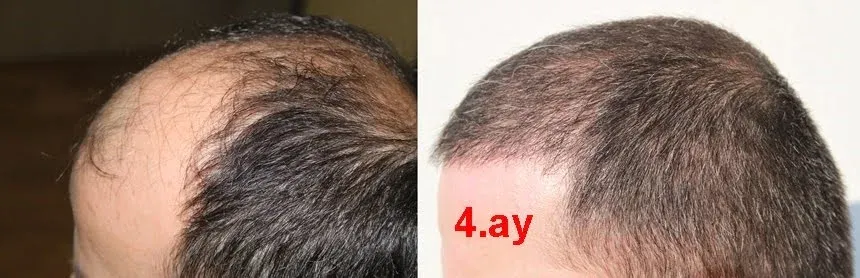
By the end of the 4th month, around 30% of the transplanted hair has typically started to grow. However, the first hairs that appear are usually thin and sparse. As blood circulation increases, the hair follicles will be better nourished. During this period, scalp massage can be beneficial as it helps improve blood flow.
In the 5th month, hair growth continues to increase, but the desired final result has not yet been achieved.
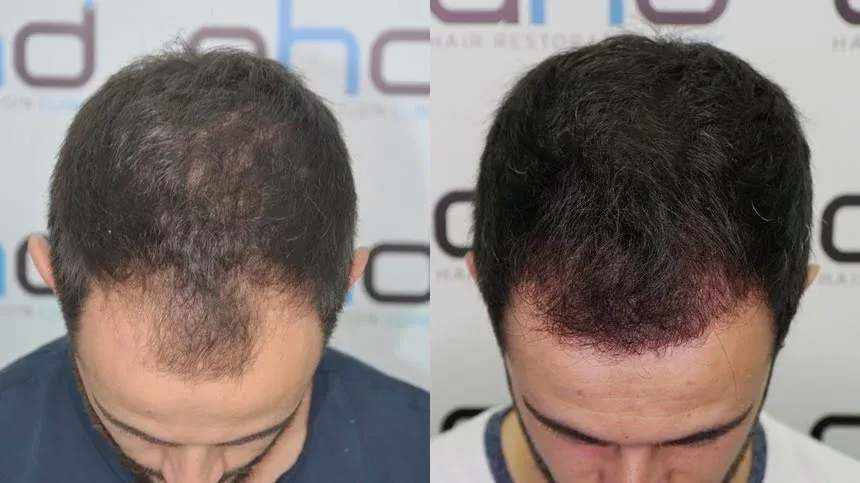
Months 6–8
By the end of 6 months, approximately 60% hair growth can be expected. However, the desired hair transplant result has not yet been fully achieved. Hair growth continues to increase, and regrowth in the recipient area begins to accelerate. Around the 7th–8th months, the initially fine hair shafts also start to thicken.
9 months
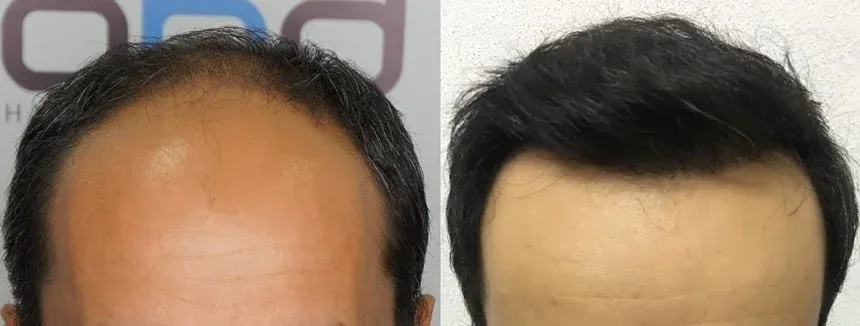
By the end of 9 months, approximately 80–90% of hair growth is completed.
12th month (1 year)
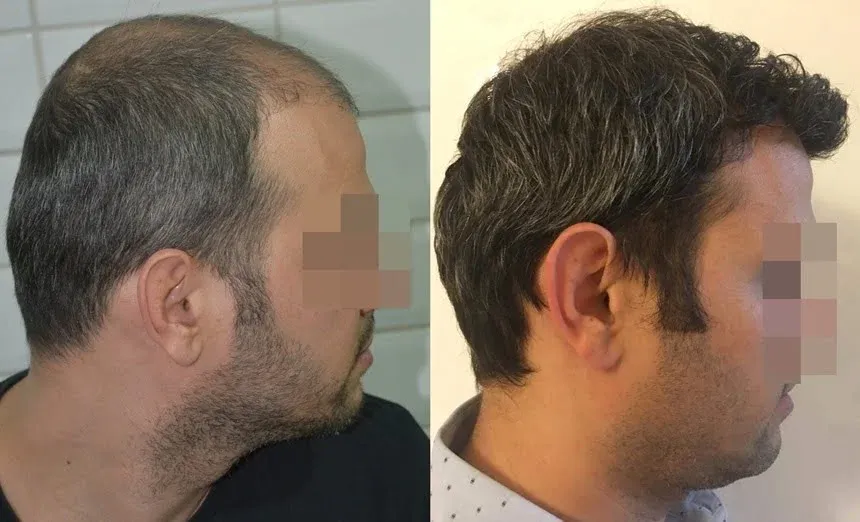
The required time for the desired hair transplant result is 1 year. After 12 months, 95% of the hair growth and the final result are completed. The transplanted hair will have taken its most natural form by the end of this period. For transplants performed on the crown area, an 18-month period will be required for 100% results.
Evaluation of Before and After Results
The result of a hair transplant operation is personalized. When comparing two people who have hair transplantation, it is necessary to pay attention to the evaluation criteria. Because it is not right to expect the same hair transplant result in everyone. If we give an example;
- In a person with Norwood 3-type hair loss, a very successful image can be obtained with 2500-3000 grafts. However, a good density may not be achieved even with 5000 grafts in a person with a wide opening such as Norwood 6.
- Even if the same number of grafts are transplanted, different results may occur between two people according to criteria such as hair color, hair thickness, wavy or straight hair. In other words, when making comparisons, apples should be compared with apples, not apples with pears.
- Drugs such as F*nastride and M*inoksdil used for post-operative support may contribute positively to the result.
Hair transplantation can achieve natural-looking results.
You can plan your hair transplant through a consultation with AHD Clinic.
Natural Results in Hair Transplantation with AHD Clinic Turkey
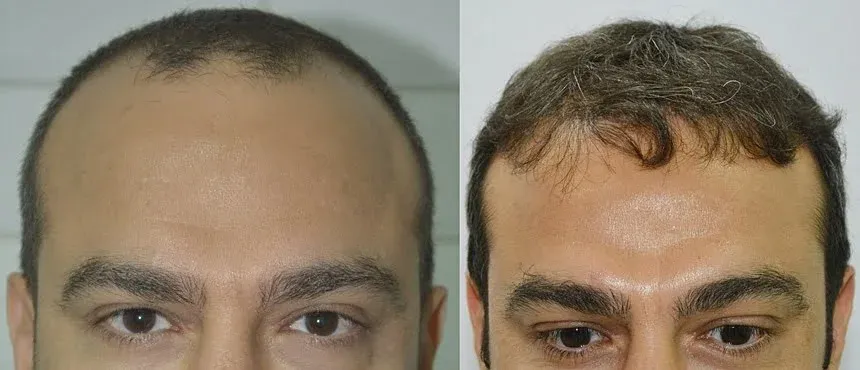
If your primary goal is to get a natural result from hair transplantation, AHD clinic may be a good option for you in Turkey. Because the reason why our patients from many countries of the world prefer us is the natural images before and after hair transplantation in our operations.
So how do we achieve these natural results? The priority in AHD clinic is to make patients happy. For this, a hair transplantation is performed in strict compliance with medical rules.
Personalized Planning: At AHD Clinic, patient satisfaction is our top priority. For this reason, hair transplant procedures are performed with strict adherence to medical principles. A hairline is designed according to the individual’s facial structure and the available number of grafts.
DHI Technique and Its Advantages: By combining its expertise and experience with the DHI method, AHD Clinic has increased its success rate.
AHD clinic was established in 2003 under the leadership of Dr. Hakan Doganay in Antalya, the tourism capital of Turkey. And thousands of people have achieved a successful hair transplant result with AHD clinic.
You can find out whether you are a suitable candidate for a hair transplant by having a free consultation with Dr. Hakan Doğanay.
Frequently Asked Questions
Why Does Hair Transplantation Look Unnatural in Some People?
An unnatural appearance that may occur after the operation is entirely the result of errors made by the hair transplant surgeon and their team. A natural result is achieved by:
✅Proper planning of the front hairline
✅ Correctly creating the direction and angles of hair growth
✅ Achieving the desired hair density
How many hours should a hair transplant take?
The maximum time required for a session should be 6-7 hours. Because as the time increases, the strength of the grafts against the external environment decreases and the growth percentage of the transplanted hair decreases. Therefore, a sparse and unsuccessful result occurs. In AHD clinic, it is a routine practice to perform the operation by dividing the operation into consecutive days in numbers exceeding 2000-2500 grafts.
What is the success rate of hair transplantation?
The rate of people who are suitable for hair transplantation and undergo a hair transplantation in accordance with medical rules is 90 percent or more. It is very important to choose an experienced and reputable hair clinic.
How long does it take to see the final results after a hair transplant?
The desired results in the transplanted hair usually start to become visible after 6–7 months. By the 9th month, approximately 85–90% of hair growth is typically observed. To consider the result as fully completed, a period of one year is required. For the crown (vertex) area, this process may take up to 18 months.
How many grafts can be transplanted in one session?
The ideal number of grafts to be transplanted in a single session is between 2,000 and 2,500. This is because the hair transplant procedure should not exceed 8 hours. If a higher number of grafts is required, it is more appropriate to perform the procedure on different days.
Are hair transplant results permanent
This depends on the quality of the donor area hair. If the hair in your donor area is strong and does not shed, the transplanted hair will also be permanent and will not fall out. Studies have shown that even 10 years after a hair transplant, 85% of the transplanted hair continues to grow.
You can contact us for our natural hair transplant results and follow us on our social media channels such as Instagram, YouTube, and Facebook.
